



Laughing in the Wild: 7 Animals That Giggle, Chuckle, and Sound Surprisingly Human
Laughing in the Wild: 7 Animals That Giggle, Chuckle, and Sound Surprisingly Human
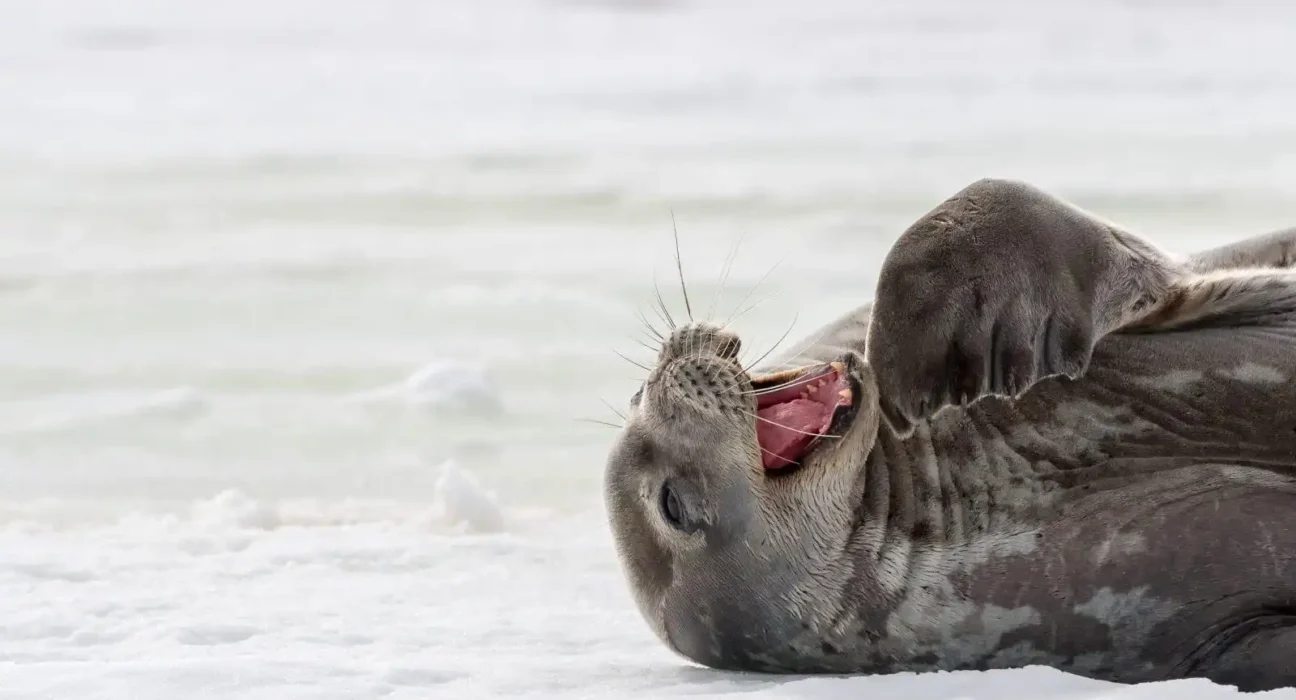
Laughter feels uniquely human. We associate it with joy, humor, and connection—but science tells a more fascinating story. Across the animal kingdom, several species produce vocal sounds that closely resemble laughter. These sounds often emerge during play, bonding, or excitement, serving as social signals much like our own laughs.
While animals aren’t laughing at jokes, their giggles and chuckles reveal something deeply shared: the emotional roots of play and pleasure. Here are seven animals that genuinely “laugh” in their own remarkable ways.
1. Chimpanzees
Chimpanzees are perhaps the closest match to human laughter. During play or tickling, chimps emit breathy, rhythmic sounds that strongly resemble laughter. Researchers have found that these vocalizations are evolutionarily linked to human laughter, suggesting a shared ancestral origin.
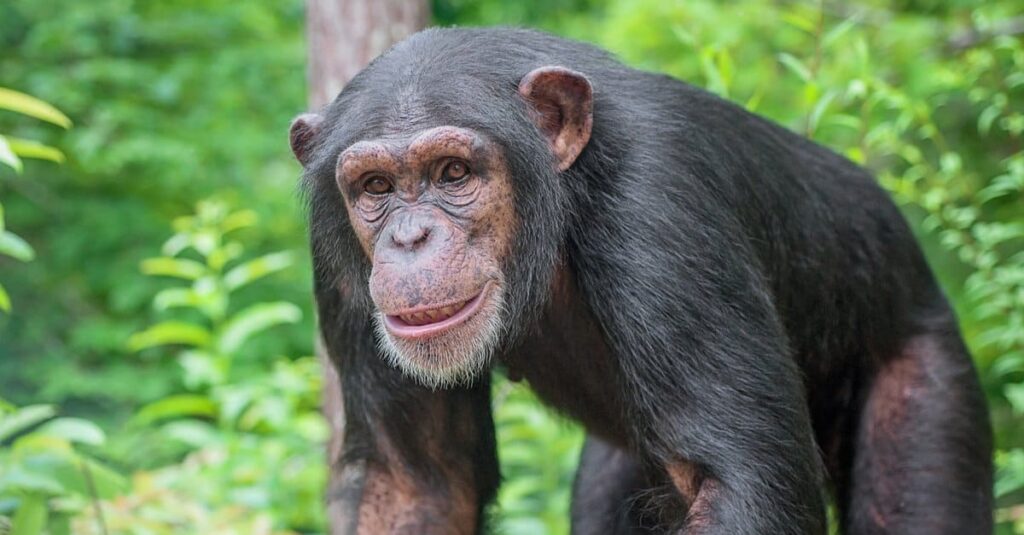
Chimp laughter helps signal friendly intent, encouraging play and reducing aggression within groups—much like laughter does among humans.
2. Dolphins
Dolphins are known for their intelligence, but their playful vocalizations are just as impressive. When dolphins play, chase one another, or interact with humans, they produce rapid clicking sounds that scientists associate with joy and excitement.
These sounds function as social laughter, strengthening bonds and signaling playfulness. In the ocean, laughter doesn’t echo—it clicks.
3. Rats
Surprisingly, rats are some of the clearest examples of animal laughter. When tickled or engaged in play, rats emit high-pitched chirps that are too high for humans to hear without special equipment. Scientists have confirmed these vocalizations occur during pleasurable experiences.
Rats even seek out activities that make them “laugh,” suggesting that their giggles reflect genuine enjoyment rather than random noise.
4. Hyenas
Hyenas are famous for their eerie “laughs,” often misunderstood as signs of amusement. In reality, hyena laughter communicates excitement, nervousness, or social status—especially during feeding or tense interactions.
While their laughter doesn’t always mean happiness, it serves a crucial social function, helping maintain order within complex group hierarchies.
5. Kea Parrots
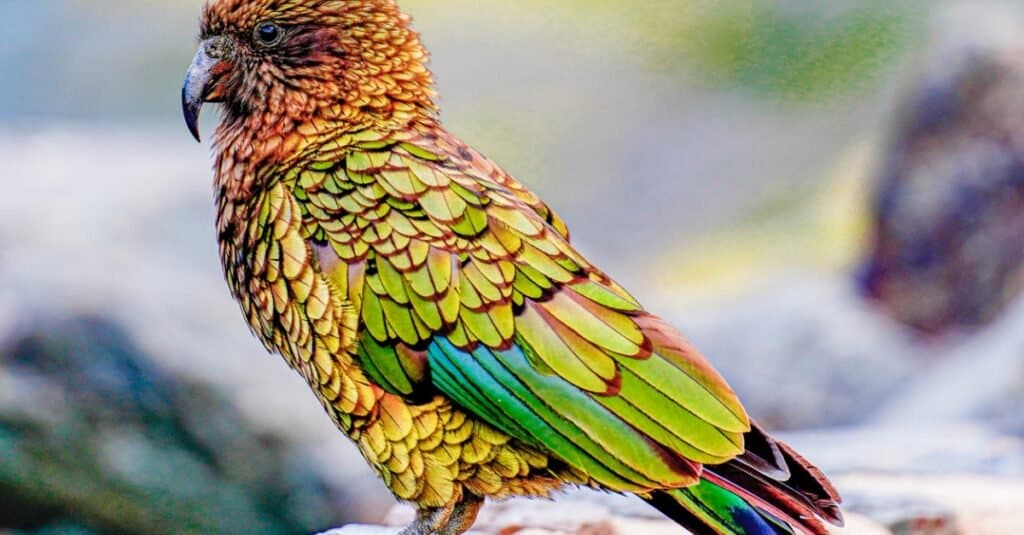
Native to New Zealand, kea parrots are among the few birds known to produce laughter-like sounds. Their distinctive warbling vocalizations often trigger play behavior in other kea—even when no obvious stimulus is present.
This contagious effect is strikingly similar to human laughter, where hearing someone laugh can instantly lift the mood of a group.
6. Dogs
Anyone who has spent time around dogs knows the sound: that breathy, panting “dog laugh” during playtime. Dogs produce these vocalizations during friendly interactions, play fights, or moments of excitement.
Studies show that recorded dog laughter can even calm stressed shelter dogs, proving its role as a positive social signal within canine communities.
7. Foxes
Foxes are capable of a wide range of vocalizations, including high-pitched chuckles and giggles during play or bonding moments. These sounds are especially common among young foxes learning social behaviors.
Their playful chatter helps reinforce bonds and establish trust—another reminder that laughter, in some form, is a universal language of connection.
Why Do Animals Laugh?
Animal laughter isn’t about humor—it’s about communication. These sounds help signal safety, encourage play, strengthen social bonds, and reduce conflict. In many species, laughter-like vocalizations evolved as survival tools that promote cooperation and emotional regulation.
The presence of laughter across species suggests that joy and play are not luxuries—they’re essential components of social life.
What This Reveals About Us
When we hear animals laugh, we recognize something familiar. These sounds blur the line between humans and the natural world, reminding us that emotional expression didn’t start with us—it evolved with us.
Laughter, it turns out, is older than language itself.
Final Thought
From giggling rats to chuckling dolphins, the natural world is far more expressive than we often imagine. These animals may not laugh for the same reasons we do, but their joyful sounds reveal a shared emotional thread that connects species across millions of years.
The next time you laugh, remember—you’re not alone in it.