



The 80-Foot Leap of Faith: Inside Hawaii’s Most Daring Cliff Jump
The 80-Foot Leap of Faith: Inside Hawaii’s Most Daring Cliff Jump
There’s a moment—just before gravity takes over—when the world goes quiet. The ocean stretches endlessly below, waves breathing in slow motion, and your heart pounds louder than the wind. In Hawaii, that moment happens 80 feet above the Pacific, at one of the most legendary cliff-jumping spots on Earth. This isn’t just a jump. It’s a rite of passage for thrill-seekers, a test of courage, and a reminder of nature’s raw, humbling power.
Hawaii’s cliff-jumping culture runs deep, woven into local history and island life. Long before adrenaline tourism, native Hawaiians practiced lele kawa—cliff jumping—as a demonstration of bravery, skill, and spiritual trust. Today’s 80-foot jumps echo that tradition, blending ancient respect for the ocean with modern adventure culture. But make no mistake: this is not a casual leap for the unprepared.
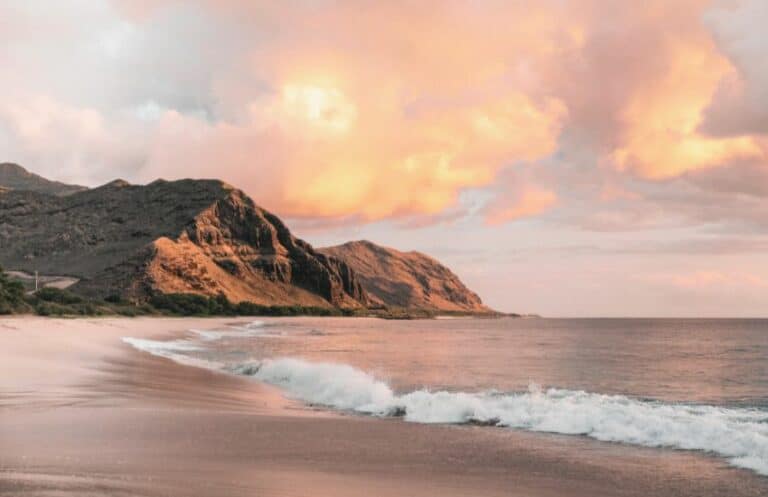
The most talked-about high cliff jumps are found on islands like Maui and Oahu, where volcanic rock formations rise sharply above deep, clear water. From the top, the drop looks unreal. Eighty feet doesn’t sound abstract when you’re standing there—it feels immense. The water below looks solid, almost glassy, especially on calm days. That illusion is part of what makes the jump so dangerous.
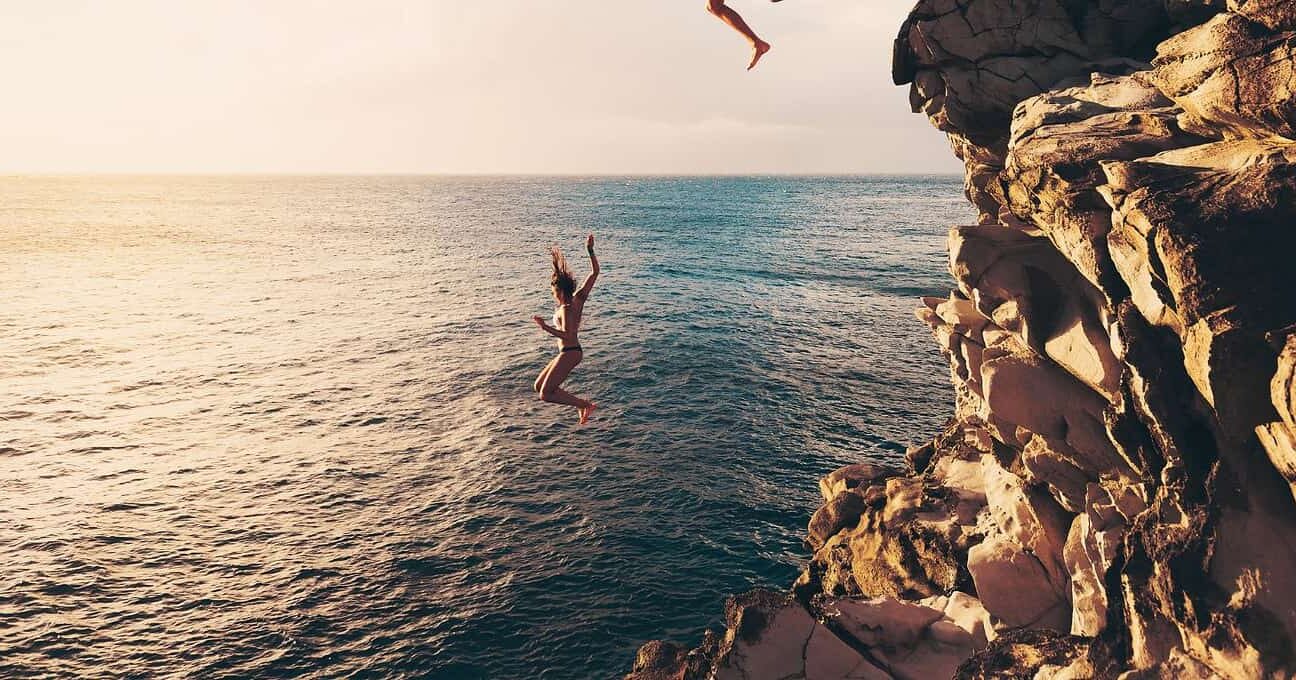
Jumpers describe the freefall as both terrifying and euphoric. For roughly two to three seconds, your body accelerates fast enough to steal your breath. You’re taught to enter the water feet-first, body straight, arms tight to your sides. Even with perfect form, the impact is intense. At that height, hitting the water incorrectly can lead to serious injuries—bruising, dislocations, or worse.
That’s why experienced locals stress one rule above all: never jump blindly. Conditions change daily in Hawaii. Tides, currents, and underwater rocks can turn a seemingly perfect jump into a life-threatening mistake. Locals often swim the landing zone first, check wave patterns, and wait for precise timing between swells. If they say it’s not safe, it’s not safe—no matter how many viral videos you’ve seen.
Despite the risks, the draw is undeniable. The setting alone is breathtaking. Turquoise water crashes against black lava rock, seabirds glide below eye level, and the scent of salt fills the air. When you finally step off the edge, fear dissolves into something pure and electric. Many jumpers say the experience permanently changes how they see fear—shrinking everyday worries after facing something so primal.
Still, cliff jumping in Hawaii carries a responsibility. The islands are not an amusement park; they’re living ecosystems and sacred landscapes. Accidents don’t just affect jumpers—they put rescuers at risk and strain local emergency services. Respect means knowing your limits, listening to locals, and being willing to walk away if conditions aren’t right.
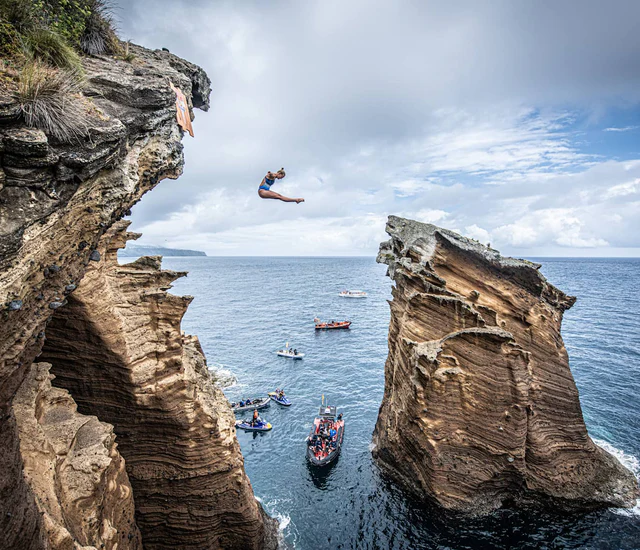
For those who choose not to jump, watching can be just as powerful. Seeing someone step to the edge, hesitate, then disappear into the blue below is a reminder of human courage set against nature’s vastness. It’s thrilling, sobering, and strangely beautiful.
An 80-foot cliff jump in Hawaii isn’t about conquering the ocean. It’s about meeting it—on its terms—with humility and awe. Whether you leap or simply stand at the edge, the experience leaves you with the same lesson: some moments are meant to be felt deeply, respected fully, and remembered forever.