


The Geotag Plague: Why “Instagrammable” is the New Gentrification.
The Geotag Plague: Why “Instagrammable” is the New Gentrification.
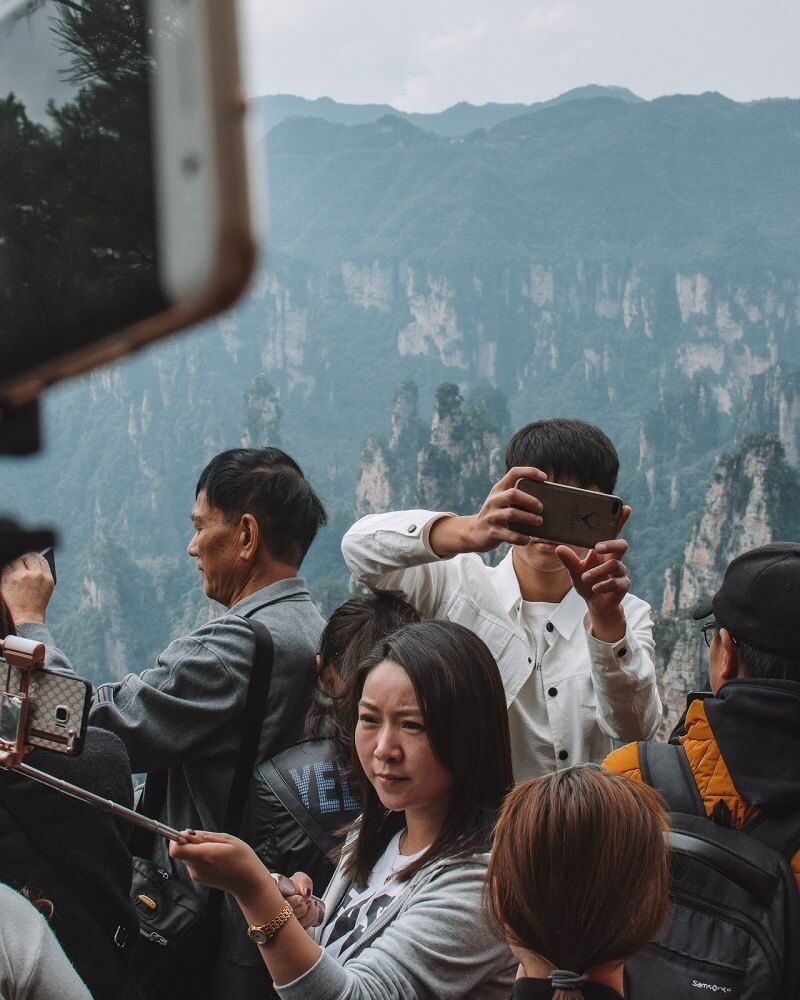
I was standing at the edge of the Trolltunga cliff in Norway last summer, and instead of the roar of the wind, I heard the rhythmic click-swipe of a hundred shutters. There was a literal queue—a polite, orderly line of humans in expensive technical gear, all waiting to stand on the exact same rock to take the exact same photo. It wasn’t a pilgrimage; it was a viciously efficient production line for digital validation.
In 2026, we have reached a breaking point. We are no longer “traveling” in the traditional sense; we are engaging in the Gentrification of Wanderlust. Social media has turned the world’s most sovereign landscapes into mere backdrops, stripping away the uncommon grit of discovery in favor of a polished, algorithmic aesthetic.
The Architecture of the “Instagrammable”
The “Gentrification” happens when a location’s value is no longer measured by its history or its soul, but by its “Visual ROI.” This has created a vicious feedback loop. If a café in Bali doesn’t have the right “Quiet Geometry” of pastel walls and hanging plants, it doesn’t exist on the digital map.
- The Geotag Plague: When a forbidden hidden gem is geotagged, it undergoes a rapid transformation. Within months, the local infrastructure is overwhelmed, and the triumphant silence of the place is replaced by the hum of tour buses.
- The Homogenization of Culture: Walk into a “trendy” spot in Mexico City, Lisbon, or Tokyo, and you’ll find the same avocado toast, the same neon signs, and the same industrial lighting. This is the Digital Fog—a global aesthetic that smothers local identity to satisfy the “Hyper-Individual” lens.
The Forbidden Reset: Finding the “Unguarded” Moment
The tragedy of modern travel is that we have traded visceral experience for sovereign curation. We arrive at a destination already knowing what the sunset looks like because we’ve seen it on a thousand reels. The “Melancholy Magic” of getting lost—of actually being uncomfortable—is being erased by the GPS and the “Best 10 Things To Do” listicle.
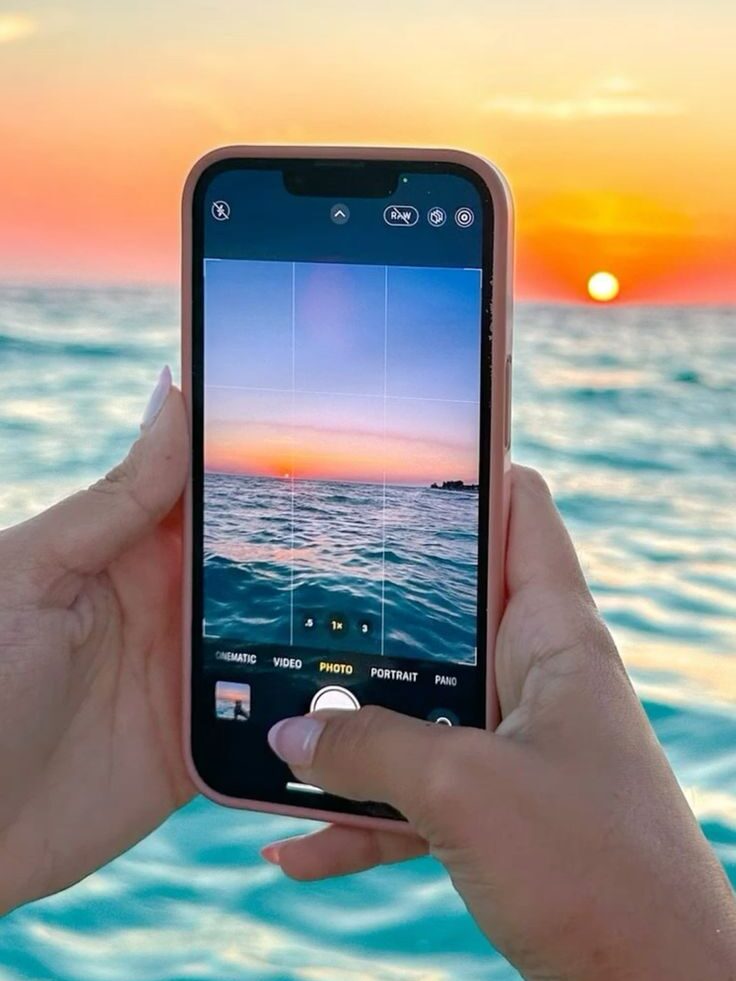
I spoke with a veteran travel writer in Marrakesh who called this “The Death of the Unguarded Moment.” She argued that true travel requires a vicious level of presence. It requires leaving the phone in the riad and allowing the city to happen to you, rather than trying to happen to the city. The most triumphant travels aren’t the ones that look good on a grid; they are the ones that leave you slightly bruised, deeply confused, and uncommonly changed.
Editor’s Personal Note: The Rebellion of the Real
As we look at the 2026 landscape, the most forbidden luxury is no longer a five-star resort; it is Anonymity. The “New Wanderlust” is about reclaiming your right to go somewhere and tell absolutely no one about it.
A Practical Human Tip: On your next trip, try the “Blackout Day.” No maps, no cameras, no tagging. Walk until you are genuinely lost, then find your way back by talking to a local. It will feel viciously uncomfortable at first. You’ll feel the phantom itch of your pocket. But stay with it. You’ll find that the “Authenticity” you’ve been looking for isn’t at the top of a famous cliff—it’s in the sovereign silence of a moment that belongs only to you.