



The Sentient Sanctuary: Decoding the Rise of Neuro-Adaptive Living
The Sentient Sanctuary: Decoding the Rise of Neuro-Adaptive Living
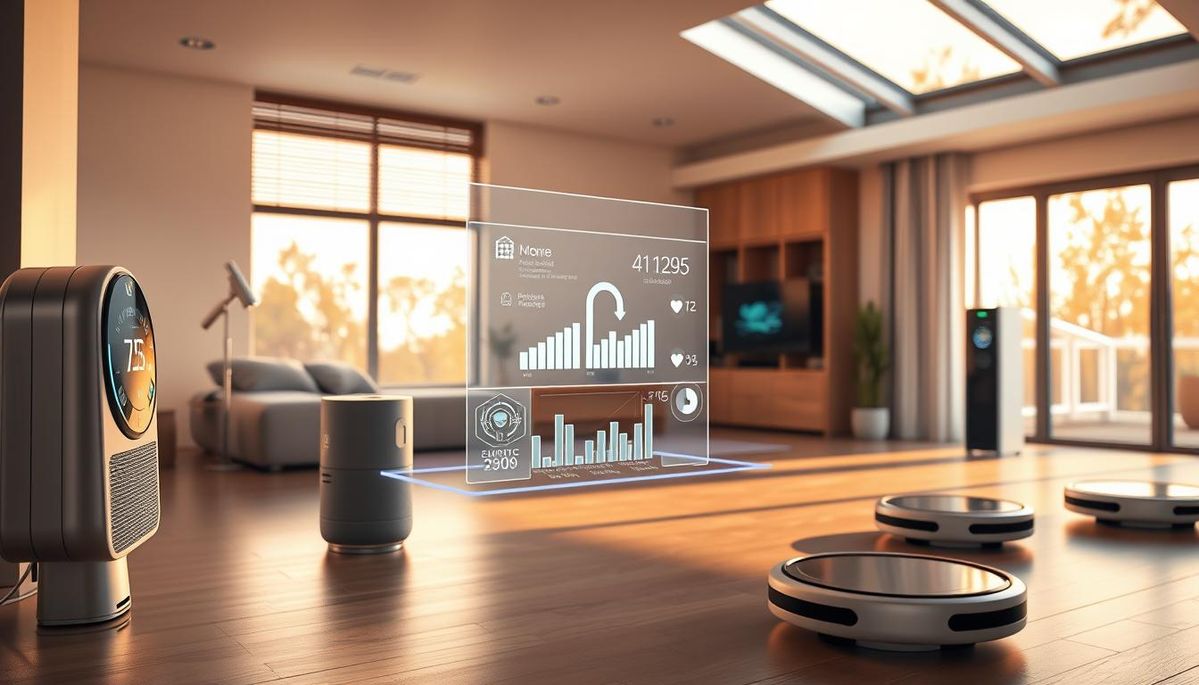
The “Smart Home” of the last decade has mostly been a collection of expensive chores. We’ve spent years “managing” our homes—programming thermostats, yelling at voice assistants that don’t understand us, and toggling endless apps to find a light setting that doesn’t feel like a hospital waiting room. It’s a “digital fog” of micro-tasks that actually adds to our daily cognitive load.
But something is shifting. In 2026, the trend isn’t about more control; it’s about relinquishing it. We are entering the era of Neuro-Adaptive Living, where your house stops asking for instructions and starts paying attention to your biology.
A Room with a Pulse
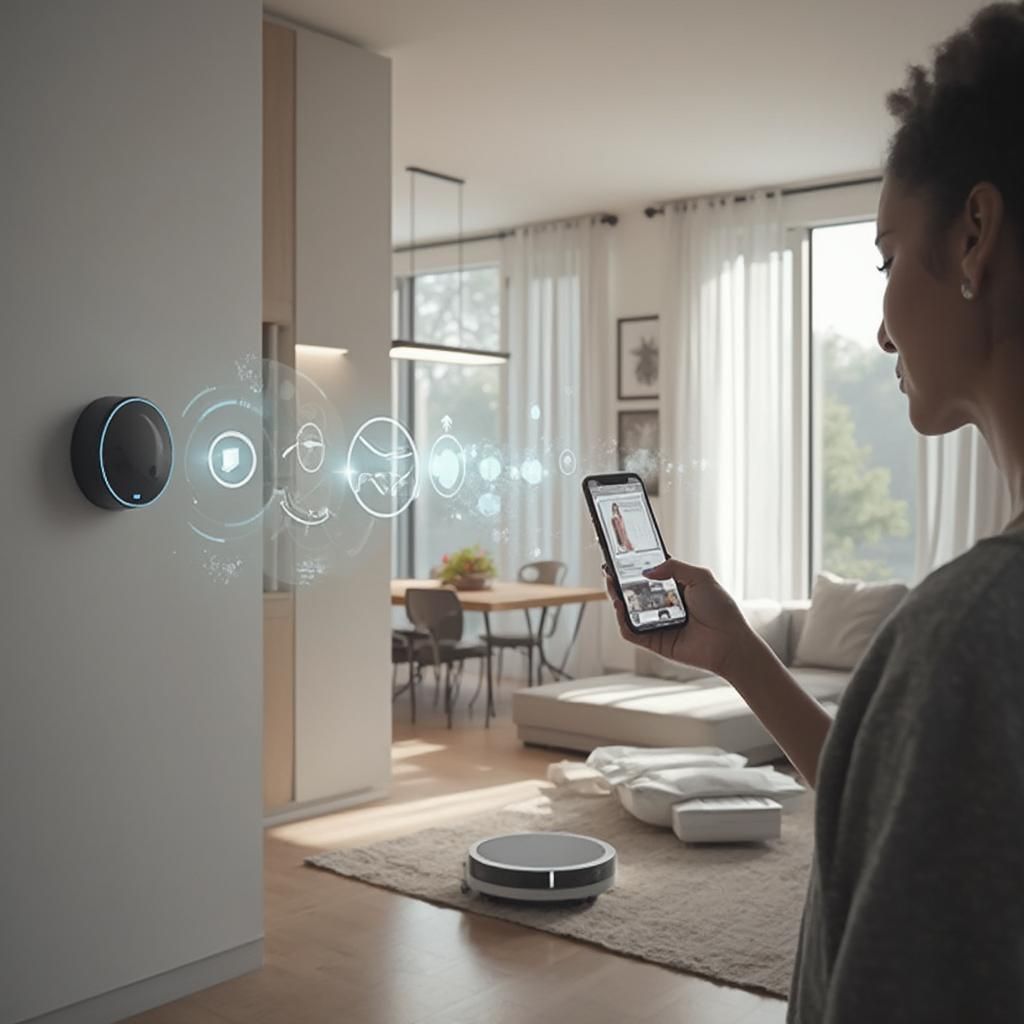
Imagine walking through your front door after a grueling afternoon. You’re tense, your jaw is clenched, and your heart rate is elevated. Traditionally, you’d fumble for a remote or a phone. In a neuro-adaptive space, the house has already performed a silent audit of your state.
Using ultra-precise sensors—the kind that can pick up the rhythm of your chest moving from across a room—the environment begins to pivot. The harsh overhead glow shifts into a warm, sunset amber. The HVAC system subtly increases the oxygen flow to help you decompress. This isn’t just a “scene” you programmed; it’s the architecture itself responding to your physiological distress. It creates a quiet geometry of recovery that happens entirely in the background.
The Privacy Trade-off: Local vs. Global
There is a visceral tension at the heart of this tech: to have a home that “feels” for you, you have to let it “see” you. For years, the fear was that our most intimate biological data—our sleep cycles, our stress spikes, our heart rhythms—would be sent to a server farm to be sold.
The 2026 response to this is Local Processing. The most authoritative systems now keep everything within the physical walls of your home. Your pulse never leaves your router. This shift toward “sovereign data” is the only reason neuro-adaptive tech is finally moving from high-end labs into real living rooms. It allows the home to be an indomitable shield rather than a surveillance tool.
Designing for the Nervous System
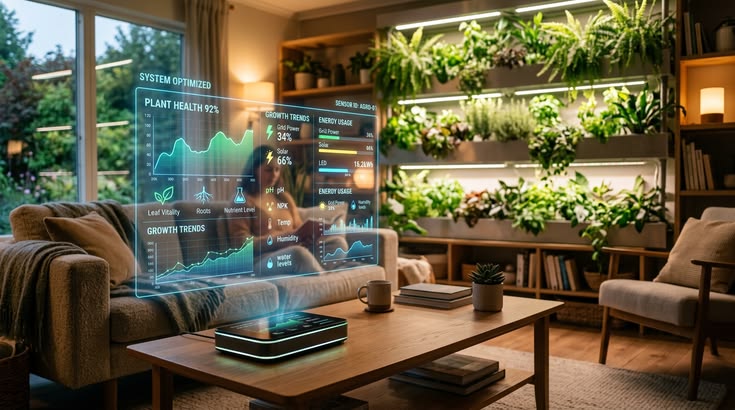
If you’re looking to move beyond basic automation, the focus has to be on Invisible Response. We’re seeing a monumental rise in features that don’t look like “tech” at all:
- Acoustic Masking: Instead of just playing music, the house detects intrusive street noise and generates counter-frequencies to keep your focus from shattering.
- Circadian Rhythms: Lighting that doesn’t just change color, but matches the precise Kelvin scale of the sun to keep your hormones in balance.
- Bio-Reactive Surfaces: Smart materials in furniture and walls that can shift temperature or texture based on your body’s needs.
The Silent Partner in Your Mental Health
At the end of the day, we don’t need homes that are “smarter”—we need homes that are more empathetic. The real luxury of the modern era isn’t being able to turn on your coffee maker with your voice; it’s walking into a room and feeling your nervous system settle because the environment was built to hold you.
As you look at your own space, ask yourself: is your home another thing you have to take care of, or is it finally starting to take care of you? We’ve spent enough time serving our machines. In 2026, the most triumphant homes are the ones that work in the obsidian silence of the background, letting us focus on simply being human.