




Beneath the Desert Sky: A Slow Journey Through Oman’s Hidden Wonders

Beneath the Desert Sky: A Slow Journey Through Oman’s Hidden Wonders
Some places dazzle with energy; Oman captivates with serenity. It is a land where golden deserts meet turquoise seas, where ancient villages cling to the edges of cliffs, and where hospitality is so deeply woven into daily life that even a stranger feels instantly grounded. For travelers seeking a destination that moves at its own gentle pace, Oman is a quiet revelation.
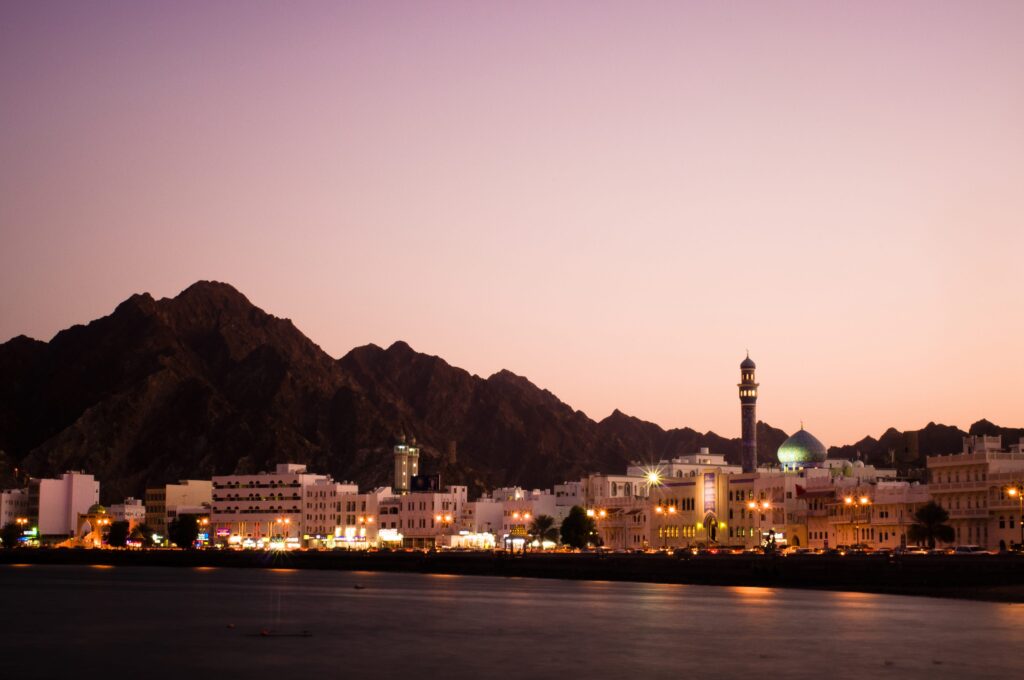
My journey began in Muscat, a city that blends refinement with tradition. Unlike the skyscraper-thick skylines of its neighbors, Muscat’s architecture remains low and harmonious, reflecting the soft curves of the surrounding mountains. I wandered through Muttrah Souq, where the air carried the scent of frankincense and rose oil. Vendors greeted me with warm smiles rather than aggressive pitches. The narrow alleys shimmered with brass lamps, wooden chests, and intricately woven textiles—treasures that felt touched by centuries of craftsmanship.
But Oman’s story unfolds best outside its capital. I drove along a coastline carved from cliffs and coves until I reached Wadi Shab, one of the country’s most beloved natural escapes. The hike began through a dry, rocky valley, but slowly, the landscape transformed. Freshwater pools appeared like green gems, reflecting towering canyon walls. By the time I reached the hidden cave at the end of the trail, I felt as though I had stepped into a secret world. Swimming through the narrow entrance, I emerged into a chamber lit naturally from above, where a waterfall plunged into a crystal pool. It was the kind of moment that felt dreamlike—untouched, mystical, and perfectly quiet.
From there, the landscape shifted dramatically as I entered the Wahiba Sands. The desert stretched infinitely, its dunes glowing in shades of honey and ember. My Bedouin guide, Khalid, drove with ease over the rolling sand, the vehicle dipping and rising like a boat. When we reached the camp, the sun had begun to sink. We climbed a nearby dune to watch the sky ignite in shades of gold, crimson, and violet. I had seen sunsets before, of course, but in the desert, where silence magnifies everything, the experience felt spiritual. The wind whispered across the dunes, leaving patterns that looked like calligraphy written by nature.
That night, we sat around a small fire as Khalid brewed kahwa, Omani coffee seasoned with cardamom. He shared stories of nomadic life—of traversing dunes guided only by stars, of raising camels, of traditions that endure even in a modern age. Above us, the sky shimmered with constellations so bright they seemed close enough to touch. The desert has a way of making you feel both incredibly small and deeply connected to the world at once.
The next morning, I headed toward Nizwa, a historic town framed by mountains and known for its majestic fort. Its massive round tower stands as a reminder of Oman’s resilience and ingenuity. From the top, I looked out over palm-filled oases, bustling markets, and mud-brick houses. Nearby, the Nizwa Goat Market—held weekly—was a collision of energy and tradition. Farmers led their goats in a circular display area, calling out prices; families inspected animals with practiced eyes; and the atmosphere buzzed with local color. It was one of the most authentic cultural experiences I had encountered on any journey.
But the place that lingered with me most was Jebel Akhdar, the Green Mountain. Despite its name, the plateau sits amid rugged peaks, home to terraced farms overflowing with pomegranates, apricots, and roses. Small villages perch on cliffs, overlooking deep ravines that appear carved by ancient forces. I hiked through trails surrounded by rose gardens, their scent drifting through the cool mountain air. When I reached an overlook, clouds drifted between peaks like slow-moving boats. Time felt suspended.
Oman is not a destination of loud spectacles. It is a place of soft beauty, slow discovery, and deep peace. It sweeps you into landscapes that feel ancient yet timeless, and welcomes you with a sincerity that is increasingly rare in travel. As I left, I realized that this journey—marked not by adrenaline but by stillness—had given me something invaluable: a renewed appreciation for simple wonders.


