



Clash of the Blockbusters: Inside the High-Stakes World of Box Office Battles

Clash of the Blockbusters: Inside the High-Stakes World of Box Office Battles
Every year, movie studios carefully plan release calendars like chess masters plotting strategic moves. But when two or more highly anticipated films land on the same weekend, the result is what fans and analysts call a “box office battle.” These cinematic showdowns aren’t just about ticket sales — they’re about cultural dominance, franchise power, marketing strategy, and long-term brand value.
In today’s global entertainment economy, box office clashes have become headline-making events, often driving social media trends and shaping the future of major studios.
Why Release Dates Matter So Much
Film release timing can make or break a blockbuster. Studios analyze holiday weekends, school vacations, and even major sporting events before locking in premiere dates. Summer and festive seasons are particularly competitive, as audiences are more likely to visit theaters.
When two major films release simultaneously, they compete for:
- Screen availability
- Premium formats (IMAX, 3D, Dolby Cinema)
- Media attention
- Audience loyalty
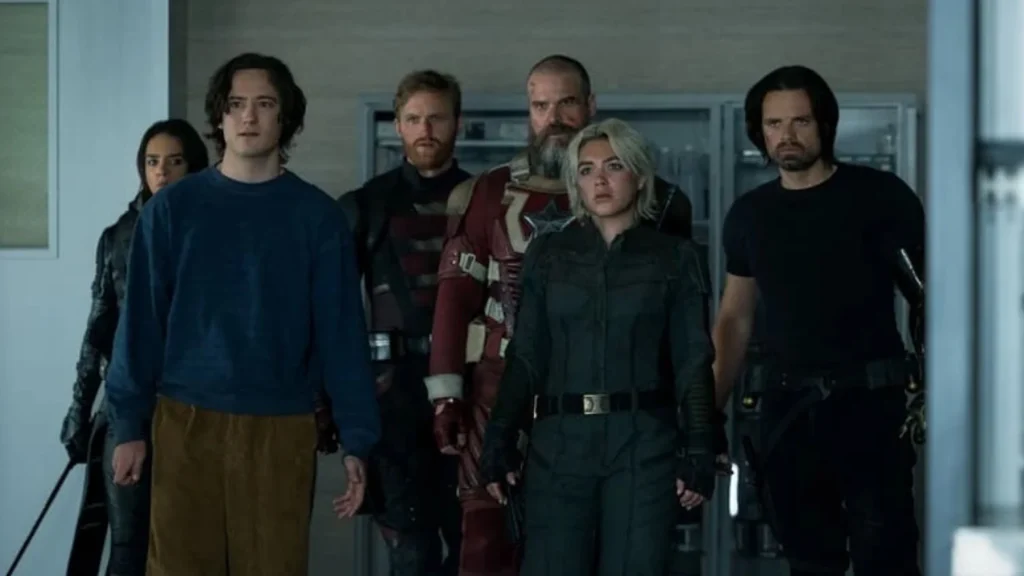
A strong opening weekend often sets the tone for a film’s entire theatrical run.
Franchise Power vs. Original Storytelling
Box office battles frequently involve massive franchises with established fan bases. For example, films from the Marvel Studios or the DC Studios often dominate pre-release buzz due to built-in audiences and cinematic universes.
When two franchise giants collide, fans turn the competition into a cultural event. Social media platforms fill with debates, memes, and advance booking screenshots. However, original films sometimes surprise analysts by outperforming expectations, proving that strong storytelling can rival even the most powerful brands.
The Role of Global Markets
The modern box office is no longer limited to domestic earnings. International markets now play a crucial role in determining a film’s success. Countries in Asia, Europe, and the Middle East often contribute a substantial portion of global revenue.
For instance, action-heavy spectacles or visually immersive fantasy films tend to perform exceptionally well in overseas markets. Studios plan marketing campaigns with global appeal in mind, sometimes adjusting content to resonate with diverse audiences.
A film that underperforms in one region may still achieve blockbuster status due to strong international turnout.
Marketing Wars and Fan Engagement
Box office battles are often preceded by marketing wars. Studios invest millions in trailers, billboards, influencer partnerships, and television promotions. Strategic trailer drops during major sporting events or award shows help maximize visibility.
Digital marketing has transformed the competition. Hashtags trend within minutes of teaser releases, and fan theories spread across platforms. The buzz generated before release day can significantly influence opening weekend numbers.
Fan loyalty also plays a major role. Some viewers choose to watch competing films back-to-back, while others align themselves with a particular franchise or star.
Star Power vs. Content Strength
A-list actors can draw audiences to theaters, but star power alone doesn’t guarantee victory. While recognizable names increase curiosity, strong scripts and positive reviews often determine long-term performance.
When two major films release together, critical reception becomes especially important. A movie with better audience word-of-mouth may sustain momentum even if it doesn’t win the opening weekend.
Streaming’s Impact on Theatrical Battles
The rise of streaming platforms has changed the landscape of box office competition. Some studios opt for hybrid releases, while others commit exclusively to theatrical windows.
Interestingly, theatrical clashes can generate additional publicity that benefits both films. The rivalry itself becomes part of the marketing narrative, encouraging moviegoers to participate in the cultural moment before films transition to streaming platforms.
Historical Showdowns That Defined Eras
Over the years, several high-profile box office battles have become legendary within the industry. These moments are remembered not just for revenue totals but for how they shifted studio strategies.
Some clashes led to studios avoiding direct competition in the future, while others proved that multiple big films can coexist successfully when audience demand is high.
Financial Stakes Beyond Ticket Sales
Box office revenue influences more than immediate profits. Strong theatrical performance boosts:
- Merchandise sales
- Theme park expansions
- Sequel approvals
- Streaming licensing value
For franchises, winning a box office battle can reinforce brand dominance and secure future investments.
The Psychology of Competition
Audiences often enjoy the drama of choosing sides. Much like sports rivalries, film clashes create excitement that extends beyond the cinema. Fans debate which movie “won,” even if both perform strongly.

In many cases, the competition benefits the overall industry by drawing larger crowds to theaters.
Final Thoughts
Box office battles between major film releases represent more than financial competition — they reflect evolving audience tastes, marketing innovation, and the global reach of modern cinema. Whether it’s superhero franchises, animated features, or action-packed thrillers, these cinematic clashes keep the industry dynamic and unpredictable.
As studios continue to expand universes and experiment with storytelling formats, box office showdowns will remain a thrilling part of the entertainment landscape. In the end, while only one film may claim the top opening spot, the real winner is often the audience — enjoying a front-row seat to cinematic history in the making.