



Lost from the Menu: Beloved Dishes That Quietly Vanished from Our Tables

Lost from the Menu: Beloved Dishes That Quietly Vanished from Our Tables
Food trends come and go, but some dishes don’t disappear with fanfare or protest. Instead, they fade quietly from kitchens, restaurants, and family tables, leaving behind only vague memories. These are the dishes that didn’t spark outrage when they vanished—meals once common, comforting, and familiar, now largely forgotten. Their disappearance tells a deeper story about how culture, lifestyle, and taste evolve over time.
When Familiar Foods Become Forgotten
Unlike famous discontinued products that inspire petitions and nostalgia-driven comebacks, many traditional dishes slipped away without anyone noticing. They weren’t trendy or Instagram-worthy. They were practical foods shaped by necessity, seasonality, and local customs.
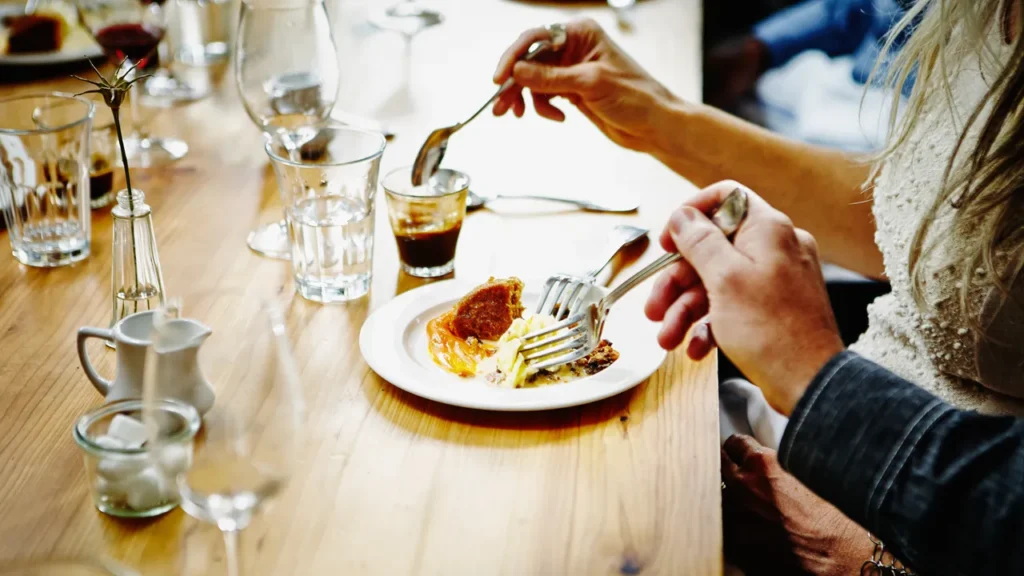
As lifestyles changed, the reasons for cooking these meals disappeared too. Time-intensive recipes gave way to convenience foods, and regional cooking lost ground to globalized flavors. Slowly, what was once ordinary became obsolete.
The Role of Changing Kitchens
Older dishes often relied on techniques and tools no longer common in modern homes. Slow simmering, wood-fired cooking, or fermenting ingredients over several days required patience and space. As kitchens modernized and shrank, these methods became impractical.
Electric appliances made cooking faster but also standardized flavors. Dishes that depended on subtle variations, handmade textures, or extended preparation were quietly replaced by simpler alternatives.
Ingredients That Fell Out of Favor
Some dishes disappeared because their key ingredients became harder to find or socially unfashionable. Organ meats, preserved fish, and fermented dairy were once everyday staples. Today, many are considered niche or unappealing to modern palates.
Economic shifts also played a role. Foods born out of thrift and scarcity lost relevance as incomes rose and diets diversified. What once represented resourcefulness came to be seen as outdated.
The Disappearing Comfort Foods
Many lost dishes were deeply comforting, yet visually unremarkable. Plain stews, porridges, milk-based suppers, and boiled puddings were designed to nourish rather than impress. Without strong visual appeal, they struggled to survive in a culture increasingly driven by presentation and novelty.
As dining out became more common, restaurant menus shaped taste preferences. Home-style meals that didn’t translate well to commercial kitchens gradually vanished from everyday cooking.
Cultural Memory and Silent Loss
The most striking aspect of these disappearing dishes is how little attention their loss received. Unlike languages or monuments, food traditions often fade within a single generation. Recipes go unrecorded, passed verbally until there’s no one left to cook them.
Without documentation or revival, these meals quietly exit cultural memory. What remains are fragments—an aroma remembered, a name half-recalled, or a dish mentioned in old cookbooks.
Globalization and Homogenized Taste
Global access to food has expanded culinary horizons, but it has also flattened them. International cuisines dominate menus, while hyper-local dishes struggle to compete. A handful of popular foods now represent entire regions, leaving lesser-known recipes behind.
As people move away from their hometowns, cooking traditions tied to place and season become harder to maintain. Over time, uniformity replaces regional diversity.
Why These Dishes Matter
Forgotten dishes offer insight into how people lived, worked, and ate. They reflect agricultural practices, economic realities, and cultural values. Losing them means losing part of our collective story.
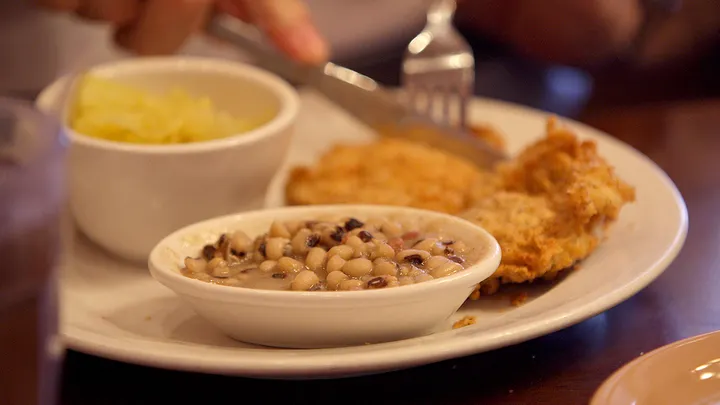
Reviving these recipes isn’t about nostalgia alone—it’s about preserving diversity and honoring everyday history. Some chefs and home cooks are beginning to rediscover lost dishes, adapting them for modern kitchens while keeping their essence intact.
Remembering What Slipped Away
The dishes that disappeared without anyone noticing remind us that cultural change often happens quietly. What we eat reflects who we are, and what we forget reveals how quickly habits evolve.
In remembering these forgotten meals, we don’t just recover recipes—we recover stories of ordinary lives once lived around shared tables.