



Sweet & Powerful: 10 Healthy, Easy Ways to Enjoy Figs for Better Digestion and Heart Health
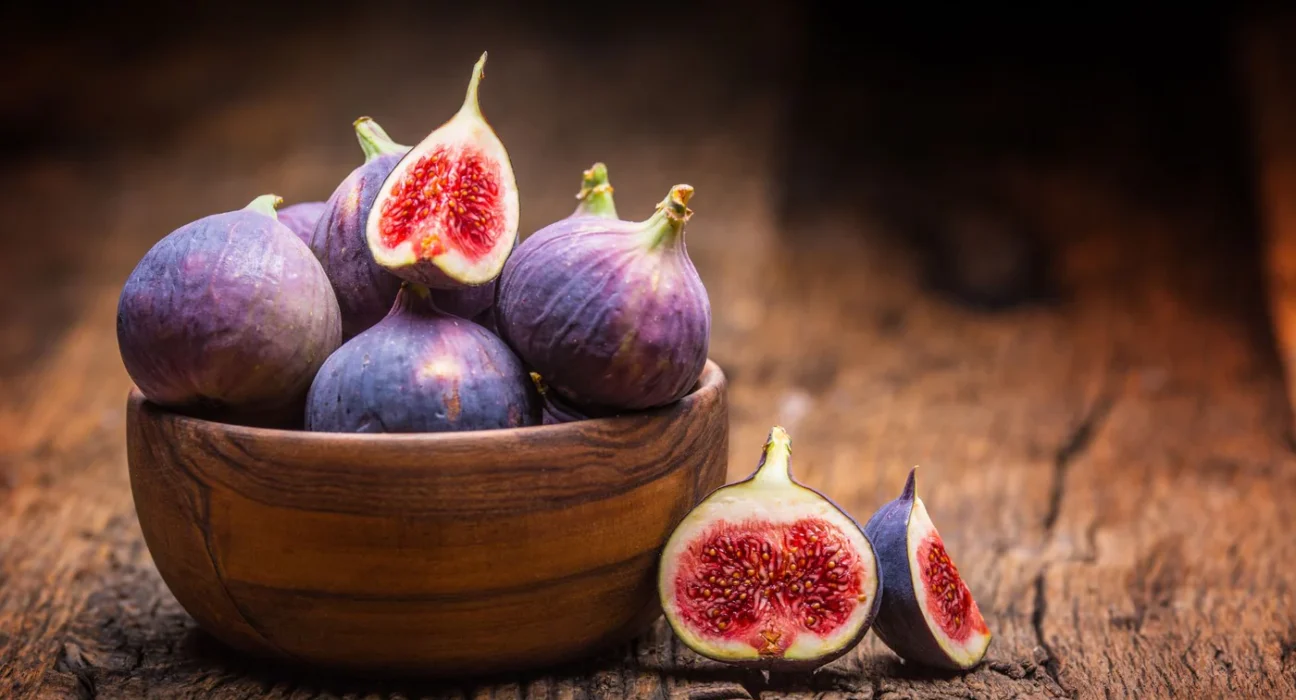
Sweet & Powerful: Healthy, Easy Ways to Enjoy Figs for Better Digestion and Heart Health
Soft, naturally sweet, and packed with nutrients, figs are one of nature’s most underrated superfruits. Whether fresh or dried, they offer impressive benefits for digestion and heart function. Rich in fiber, potassium, calcium, and antioxidants, figs support gut health while helping maintain healthy blood pressure and cholesterol levels.
If you’re looking for simple, delicious ways to include them in your routine, here are 10 healthy and easy ideas.
Why Figs Are So Good for You
Figs are especially high in dietary fiber, which promotes smooth digestion and helps prevent constipation. Fiber also supports beneficial gut bacteria, contributing to a balanced microbiome.
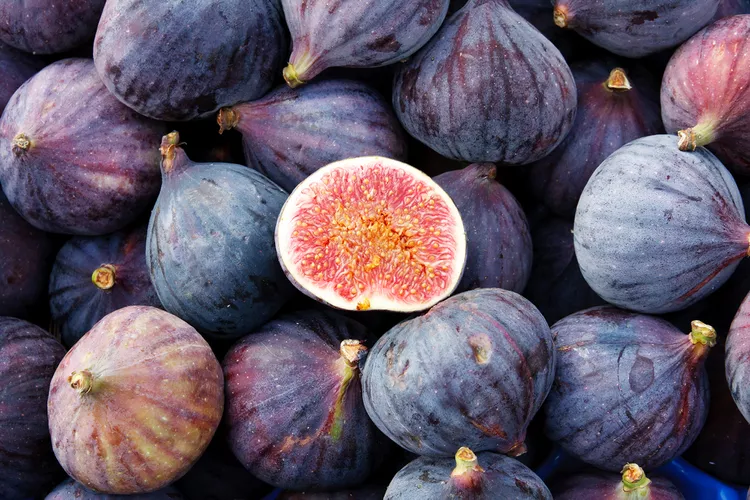
For heart health, figs provide potassium, which helps regulate blood pressure, and antioxidants, which reduce oxidative stress linked to cardiovascular disease. Dried figs are particularly nutrient-dense, making them a convenient heart-friendly snack.
1. Add Fresh Figs to Your Morning Yogurt
Slice fresh figs into plain Greek yogurt. The creamy texture pairs perfectly with their natural sweetness. Add a sprinkle of chia seeds or nuts for extra fiber and omega-3 fats — both excellent for heart support.
This combination boosts digestive health thanks to probiotics from yogurt and fiber from figs.
2. Blend Figs into Smoothies
Toss 1–2 fresh or dried figs into your morning smoothie. They add natural sweetness, reducing the need for added sugar.
Try blending figs with spinach, banana, almond milk, and flaxseeds for a heart-healthy, digestion-friendly drink packed with nutrients.
3. Enjoy Dried Figs as a Natural Snack
Instead of processed snacks, grab two or three dried figs. Their fiber content helps regulate bowel movements, while their potassium content supports healthy blood pressure.
Pair them with a handful of almonds for a balanced snack that stabilizes blood sugar.
4. Make a Simple Fig and Walnut Salad
Add sliced fresh figs to leafy greens with walnuts and a drizzle of olive oil. Walnuts provide heart-healthy fats, while olive oil contains antioxidants.
This salad supports cardiovascular function while delivering a fiber boost for digestive ease.
5. Spread Fig Paste on Whole-Grain Toast
Mash fresh figs or use unsweetened fig spread on whole-grain toast. Whole grains add additional fiber, enhancing gut health and promoting steady energy release.
Top with ricotta or cottage cheese for added protein.
6. Add Figs to Oatmeal
Chop dried figs into your morning oats. Oatmeal is already known for supporting cholesterol reduction, and combining it with figs increases soluble fiber intake — a key factor in heart protection.
This warm, comforting breakfast also supports regular digestion.
7. Make Homemade Energy Bites
Blend dried figs with oats, nut butter, and seeds to create no-bake energy bites. These naturally sweet snacks are perfect before workouts and help support heart health through fiber and healthy fats.
They’re also easy to prepare in advance for busy weeks.
8. Pair Figs with Cheese (In Moderation)
Fresh figs paired with soft cheese like goat cheese create a satisfying snack. While cheese should be consumed in moderation, the combination offers a mix of fiber, calcium, and protein.
For a heart-healthier option, choose lower-fat varieties.
9. Use Figs in Healthy Baking
Replace refined sugar with mashed figs in muffins or homemade bread recipes. This swap reduces processed sugar intake while adding fiber and minerals.
Your digestive system benefits, and your heart avoids excessive added sugars.
10. Soak Dried Figs Overnight
Soaking dried figs in water overnight softens them and may make them easier to digest. Eat them in the morning along with the soaking water for a gentle digestive boost.
This traditional method is often recommended for supporting regular bowel movements.
Fresh vs. Dried: Which Is Better?
Both fresh and dried figs offer benefits. Fresh figs contain fewer calories and more water, making them lighter and refreshing. Dried figs are more concentrated in fiber and minerals but should be eaten in moderation due to higher natural sugar content.
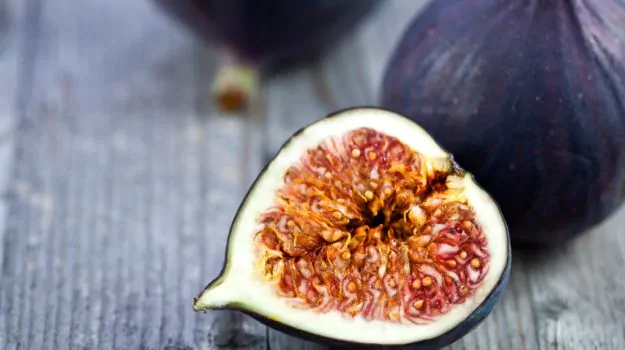
A balanced approach — incorporating both forms — works best.
A Simple Habit for Long-Term Health
Adding figs to your diet doesn’t require complicated recipes. Even small, consistent portions can improve digestion and support heart health over time.
As with any fruit, moderation is key — especially for those monitoring blood sugar levels. But when enjoyed thoughtfully, figs provide a naturally sweet way to nourish your gut and protect your heart.
Sometimes, the simplest foods offer the most powerful benefits. And figs — soft, sweet, and nutrient-rich — are proof that good health can taste just as good as it feels.