Soft Power Dressing: The 2026 Style Movement Redefining How We Wear Confidence
Soft Power Dressing: The 2026 Style Movement Redefining How We Wear Confidence
Fashion in 2026 is undergoing a quiet but powerful transformation. Loud trends and fast-fashion statements are giving way to a more thoughtful approach known as soft power dressing—a style movement that focuses on confidence, versatility, and emotional comfort. Today’s fashion is less about impressing others and more about aligning what you wear with how you live, work, and express yourself.
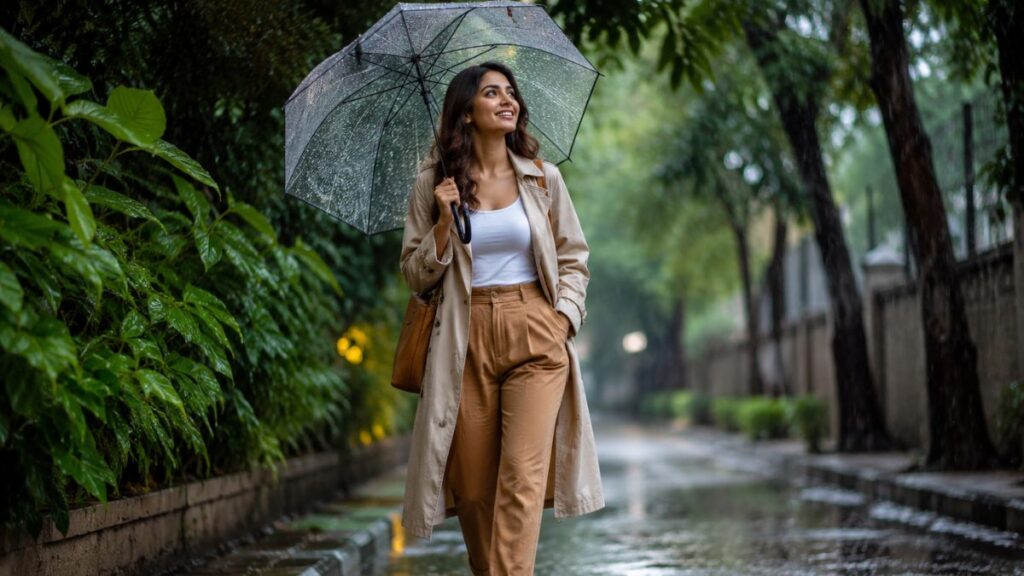
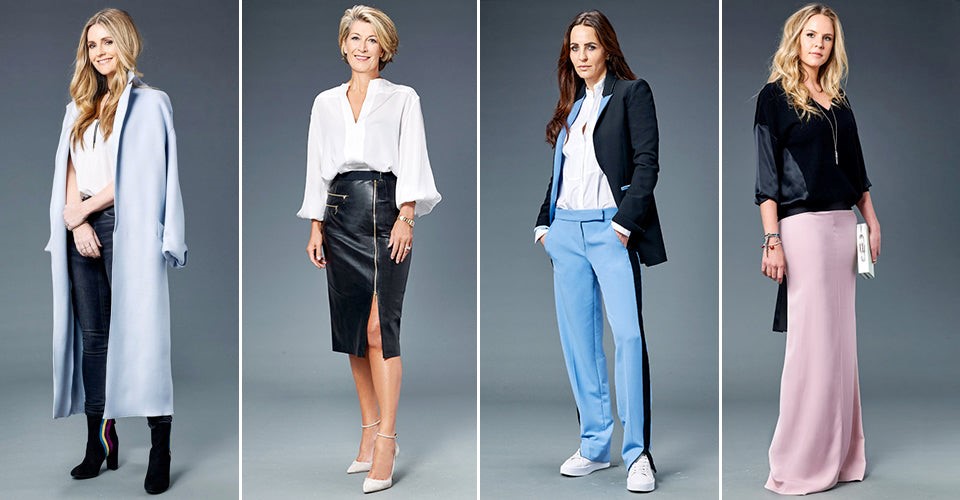
At the heart of this trend is intentional simplicity. Clean silhouettes, fluid tailoring, and breathable fabrics dominate modern wardrobes. Clothing is designed to feel effortless while still looking polished. Relaxed shirts, structured knits, flowy trousers, and adaptable layering pieces are replacing rigid, overly styled outfits. The result is fashion that feels natural and empowering rather than restrictive.
One major driver behind this shift is the blending of professional and personal style. As work environments become more flexible, dress codes have evolved. People now seek outfits that transition smoothly from daytime responsibilities to evening plans. This has led to the rise of elevated basics—pieces that look refined but feel casual. Think soft blazers, minimalist dresses, premium T-shirts, and tailored pants with elastic comfort features.
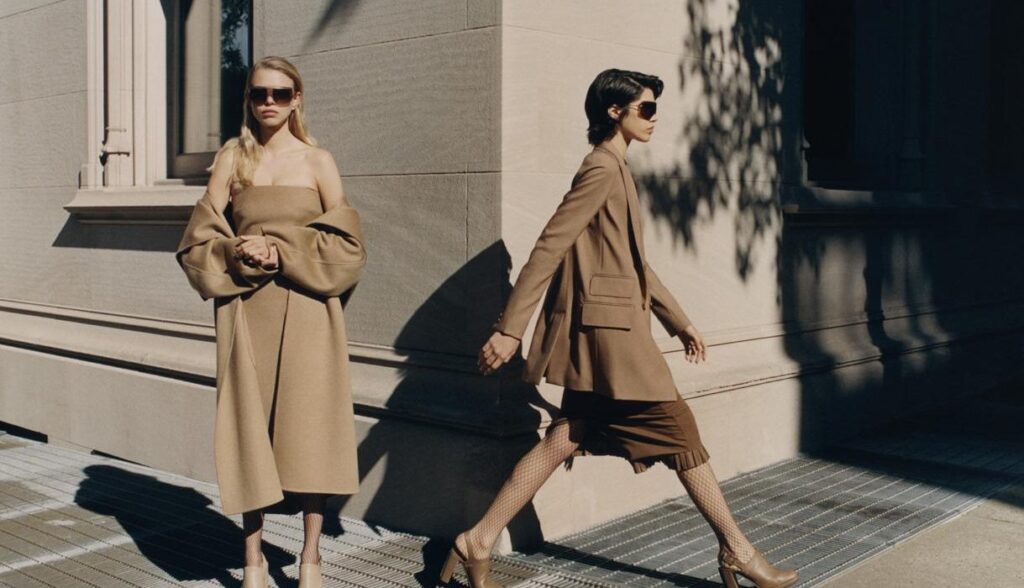
Texture is playing a bigger role than ever in defining modern style. Instead of bold prints or heavy embellishments, designers are focusing on fabric quality and tactile appeal. Linen blends, brushed cotton, fine wool, silk-touch synthetics, and ribbed knits add depth without overwhelming the look. These textures create visual interest while maintaining a calm, sophisticated aesthetic.
Another key trend shaping style in 2026 is emotional dressing. Fashion is increasingly influenced by how clothes make people feel rather than how they appear on others. Comfort, nostalgia, and familiarity are becoming style values. This is why vintage-inspired cuts, relaxed fits, and timeless color palettes are trending. Wearing something that feels reassuring and authentic has become a form of self-care.
Accessories are also evolving under this new style philosophy. Instead of excessive layering, people are choosing meaningful, well-designed pieces. A statement belt, a sculptural bag, or a pair of standout shoes can define an entire outfit. Accessories now serve as personality markers rather than decorative extras, helping individuals express identity with subtle confidence.
Sustainability continues to influence style choices, but in a more mature and integrated way. Rather than being a marketing buzzword, it’s becoming a natural part of decision-making. Consumers are prioritizing durability, ethical sourcing, and timeless design. The focus has shifted from constant trend updates to building wardrobes that last—both in quality and relevance.
Color trends reflect this emotional and practical shift. Soft neutrals such as stone, mushroom, taupe, and warm gray are widely embraced for their versatility. Alongside them, muted pastels and nature-inspired tones like sage, rust, and ocean blue add quiet character. These colors are easy to mix, wear repeatedly, and style across seasons.
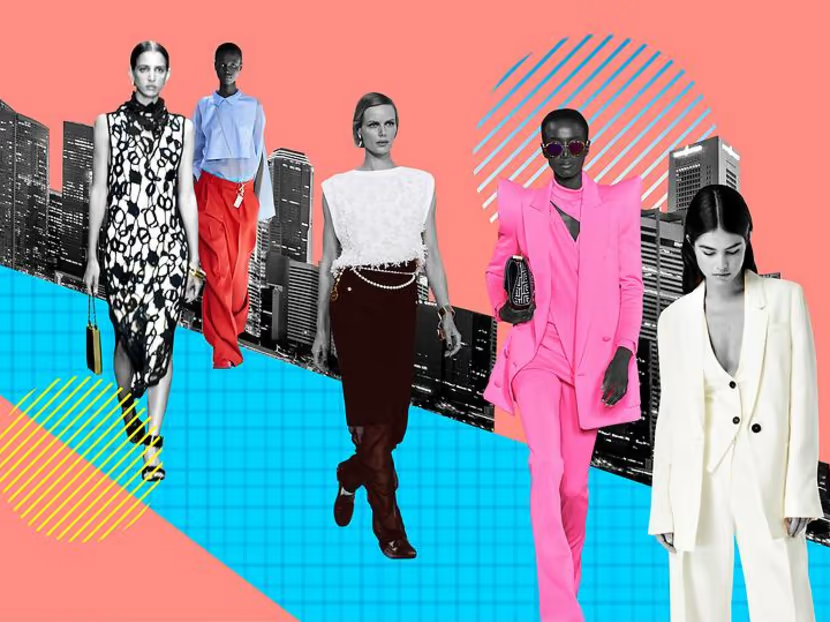
Personal expression remains central, but it’s more nuanced. Instead of following viral trends head-to-toe, people are selectively adopting elements that resonate with them. Mixing high and low fashion, old and new pieces, and global influences is encouraged. Style is no longer about perfection—it’s about authenticity and confidence in your choices.
In essence, the newest style movement is redefining what it means to be fashionable. It’s not about standing out loudly, but about standing comfortably in who you are. Soft power dressing proves that true style doesn’t demand attention—it earns it through ease, intention, and self-assurance.