
Stitched in Time: How War, Cinema, Youth Culture, and Designers Shaped Modern Fashion
Stitched in Time: How War, Cinema, Youth Culture, and Designers Shaped Modern Fashion
Fashion is often dismissed as fleeting, but what we wear has always been deeply tied to history. Every hemline, silhouette, and fabric choice carries echoes of social change, conflict, rebellion, and creativity. From wartime rationing to silver-screen glamour, from youth-driven revolutions to visionary designers, the evolution of fashion across the decades tells a powerful story about who we were—and who we are becoming.
The 1910s–1940s: Fashion Under Fire and Function
The early 20th century marked a dramatic shift in clothing driven largely by war. During World War I, practicality replaced extravagance. Women entered factories and offices, leading to simpler silhouettes, shorter skirts, and the abandonment of restrictive corsets. Clothing had to allow movement. Utility became fashionable.
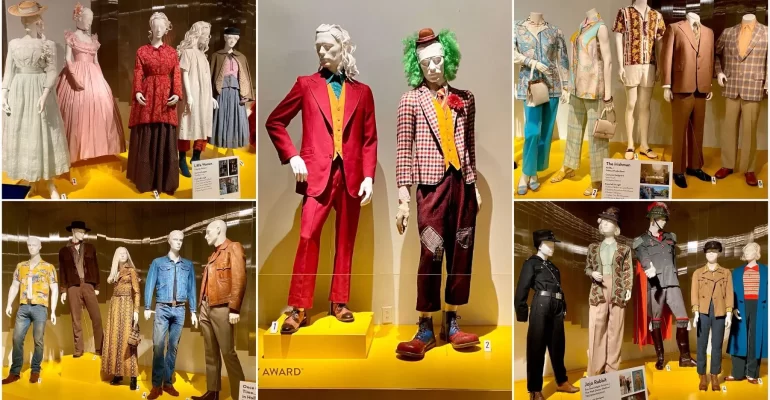
World War II intensified this transformation. Fabric rationing meant fewer pleats, narrower skirts, padded shoulders, and minimal embellishment. The iconic “utility clothing” of the 1940s shaped a clean, structured look that still influences tailoring today. Yet even in hardship, style survived—women painted seams on their legs when stockings were unavailable, proving that fashion adapts, even under pressure.
The 1950s: Cinema, Glamour, and the Dream Ideal
After years of austerity, the 1950s embraced abundance. Hollywood cinema played a massive role in shaping fashion ideals. Stars like Marilyn Monroe, Audrey Hepburn, and Grace Kelly defined elegance and femininity on screen, inspiring women worldwide to emulate their polished looks.
Christian Dior’s “New Look” revolutionized post-war fashion with nipped-in waists, full skirts, and luxurious fabrics. It was a celebration of femininity and prosperity, reflecting society’s desire for beauty and optimism. Men’s fashion also leaned toward refinement, with tailored suits symbolizing stability and success.
The 1960s–1970s: Youth Culture Takes Control
For the first time, young people—not designers or elites—became the driving force of fashion. The 1960s saw a cultural explosion fueled by music, political movements, and social change. London emerged as a fashion capital, with miniskirts, bold prints, and experimental silhouettes defining the era.
By the 1970s, fashion fractured into expressive subcultures. Hippie style rejected consumerism with flowing fabrics, ethnic influences, and handmade aesthetics. Disco brought glamour, shimmer, and body-conscious silhouettes. Clothing became a statement of identity, freedom, and rebellion rather than conformity.
The 1980s: Power, Excess, and Image
The 1980s were loud—visually and culturally. Fashion mirrored the era’s obsession with success, wealth, and status. Power dressing dominated workplaces, with sharp suits, shoulder pads, and bold colors symbolizing authority, especially for women entering corporate spaces.
Pop culture icons and MTV heavily influenced trends. Music, television, and celebrity style shaped what people wore almost instantly. Designers embraced excess—volume, shine, and drama ruled the decade, leaving a lasting legacy in statement fashion.
The 1990s: Minimalism Meets Street Style
After the extravagance of the 80s, the 90s swung toward restraint. Minimalism took hold, emphasizing clean lines, neutral palettes, and understated elegance. Designers like Calvin Klein and Helmut Lang defined this pared-back aesthetic.
At the same time, street culture emerged as a major influence. Grunge, hip-hop, and skate styles challenged traditional fashion norms. Oversized silhouettes, denim, sneakers, and logo-driven looks reflected authenticity and anti-establishment attitudes. Fashion became more democratic, drawing inspiration from everyday life.
The 2000s–2010s: Digital Influence and Individual Expression
The rise of the internet transformed fashion forever. Trends accelerated, fashion weeks went global, and style inspiration became instantly accessible. Fast fashion changed how people consumed clothing, while social media elevated influencers alongside designers.
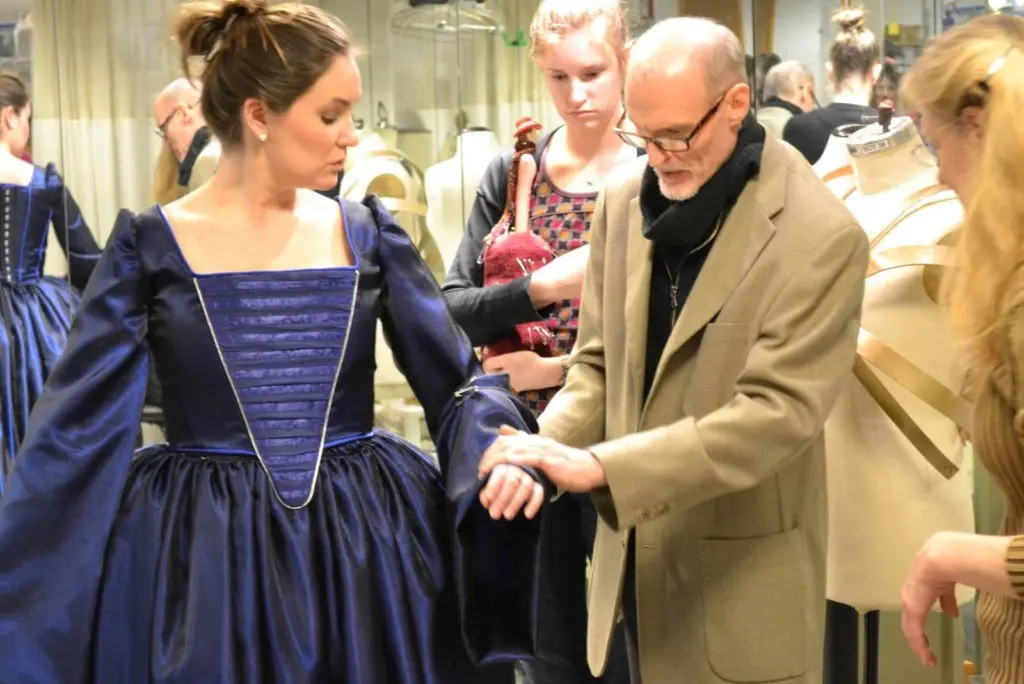
This era celebrated individuality. Mixing high fashion with thrifted finds became mainstream. Gender norms in fashion softened, sustainability entered conversations, and designers began reexamining cultural narratives and inclusivity.
Fashion Today: A Living Archive
Modern fashion is a collage of decades past. Utility wear echoes wartime practicality, cinema-inspired elegance still defines red carpets, youth culture continues to challenge norms, and designers reinterpret history through a contemporary lens.
What we wear today is not accidental. It is shaped by conflict and creativity, rebellion and refinement. Fashion is history you can touch—stitched, worn, and reimagined with every generation. As trends continue to evolve, one thing remains constant: clothing will always reflect the world we live in, and the stories we choose to tell through it.