

Silent Pressure, Serious Consequences: How Uncontrolled High Blood Pressure Damages Your Brain

Silent Pressure, Serious Consequences: How Uncontrolled High Blood Pressure Damages Your Brain
High blood pressure is often called the “silent killer” because it may not cause noticeable symptoms for years. Many people associate it primarily with heart disease, but its impact goes far beyond the heart. Uncontrolled high blood pressure — also known as Hypertension — can significantly affect the brain, increasing the risk of stroke, memory loss, and cognitive decline.
Understanding how elevated blood pressure harms the brain is essential for long-term health and prevention.
How High Blood Pressure Affects the Brain
Your brain depends on a steady flow of oxygen-rich blood. When blood pressure remains consistently high, it puts excessive strain on blood vessels throughout the body — including those in the brain.
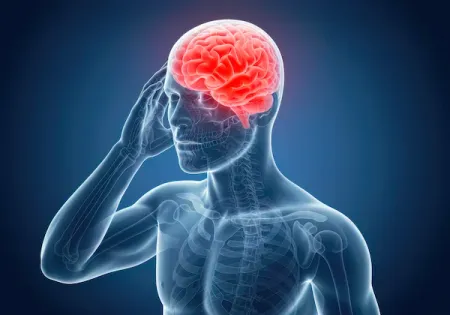
Over time, this pressure can:
- Damage the inner lining of blood vessels
- Cause arteries to narrow or weaken
- Increase the risk of clots or ruptures
- Reduce healthy blood flow to brain tissue
These changes may not happen overnight, but the cumulative effect can be serious.
Increased Risk of Stroke
One of the most immediate and dangerous consequences of uncontrolled hypertension is stroke. High blood pressure is the leading risk factor for both ischemic strokes (caused by blocked arteries) and hemorrhagic strokes (caused by ruptured blood vessels).
When blood flow to part of the brain is interrupted, brain cells begin to die within minutes. Depending on the severity and location of the stroke, this can lead to permanent disability, speech difficulties, or even death.
Managing blood pressure significantly lowers stroke risk.
Cognitive Decline and Memory Problems
Chronic hypertension has also been linked to cognitive impairment. Reduced blood flow and small vessel damage can lead to what doctors call “vascular cognitive impairment,” a condition that affects thinking, memory, and decision-making.
Research suggests that long-term high blood pressure may increase the risk of developing Dementia, including forms like Alzheimer’s disease.
Tiny, repeated damage to small brain vessels — sometimes referred to as “silent strokes” — may gradually impair cognitive function without obvious warning signs.
Brain Shrinkage and Structural Changes
Studies using brain imaging have shown that prolonged high blood pressure may contribute to brain shrinkage over time. Areas responsible for memory and learning can be particularly vulnerable.
High blood pressure can also damage white matter — the part of the brain that connects different regions and supports communication between them. This disruption can affect concentration, processing speed, and overall mental sharpness.
Symptoms You Shouldn’t Ignore
Although hypertension itself often causes no symptoms, complications affecting the brain may present warning signs such as:
- Sudden confusion
- Severe headaches
- Vision problems
- Difficulty speaking
- Weakness or numbness on one side of the body
These symptoms require immediate medical attention.
Prevention and Brain Protection
The good news is that controlling blood pressure can significantly reduce the risk of brain-related complications.
Here are practical steps to protect your brain:
- Monitor blood pressure regularly
- Reduce salt intake
- Maintain a healthy weight
- Exercise consistently
- Limit alcohol consumption
- Manage stress effectively
- Take prescribed medications as directed
Early intervention is key. Even small improvements in blood pressure can lower long-term risks.
The Importance of Early Management
Hypertension can begin in early adulthood, and its effects accumulate silently over decades. Waiting until symptoms appear may mean damage has already occurred.
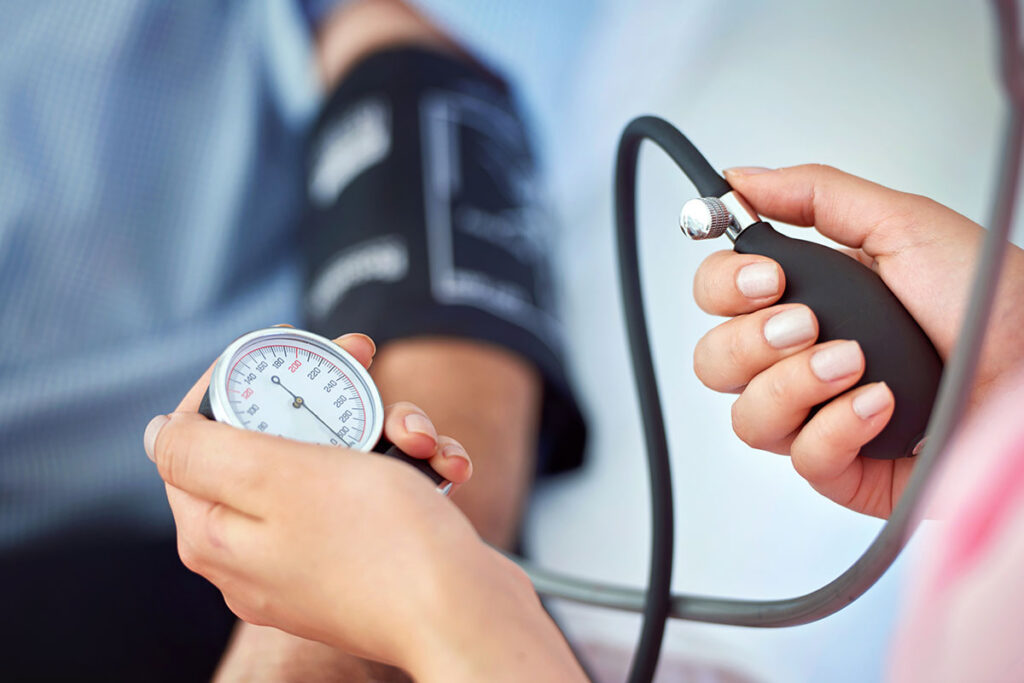
Healthcare professionals emphasize the importance of routine check-ups and lifestyle modifications. By managing blood pressure proactively, individuals can protect not only their heart but also their brain.
Final Thoughts
Uncontrolled high blood pressure is more than a cardiovascular issue — it is a serious threat to brain health. From increasing stroke risk to contributing to cognitive decline and dementia, its effects can be life-altering.
The encouraging reality is that hypertension is manageable. Through awareness, regular monitoring, and healthy lifestyle choices, you can reduce your risk and preserve both your physical and cognitive well-being.
Protecting your brain begins with controlling your pressure — today, not tomorrow.