Why Individuality Is Becoming the New Beauty Standard
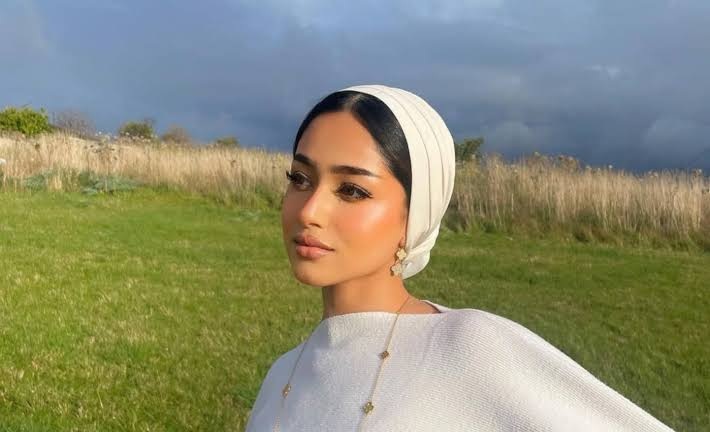
For decades, beauty standards have often been associated with achieving a particular look. From specific body types and hairstyles to makeup trends and facial features, popular culture has repeatedly suggested that there is a certain way to look beautiful. Today, however, that idea is gradually changing. Individuality, authenticity, and personal expression are becoming increasingly important in the way people approach beauty.
Rather than trying to fit into one definition of attractiveness, many people are choosing to embrace the features and styles that make them unique.
Moving Beyond a Single Definition of Beauty
Traditional beauty standards often promoted a relatively narrow idea of what was considered attractive. Fashion magazines, advertising, television, and celebrity culture played a significant role in establishing these ideals.
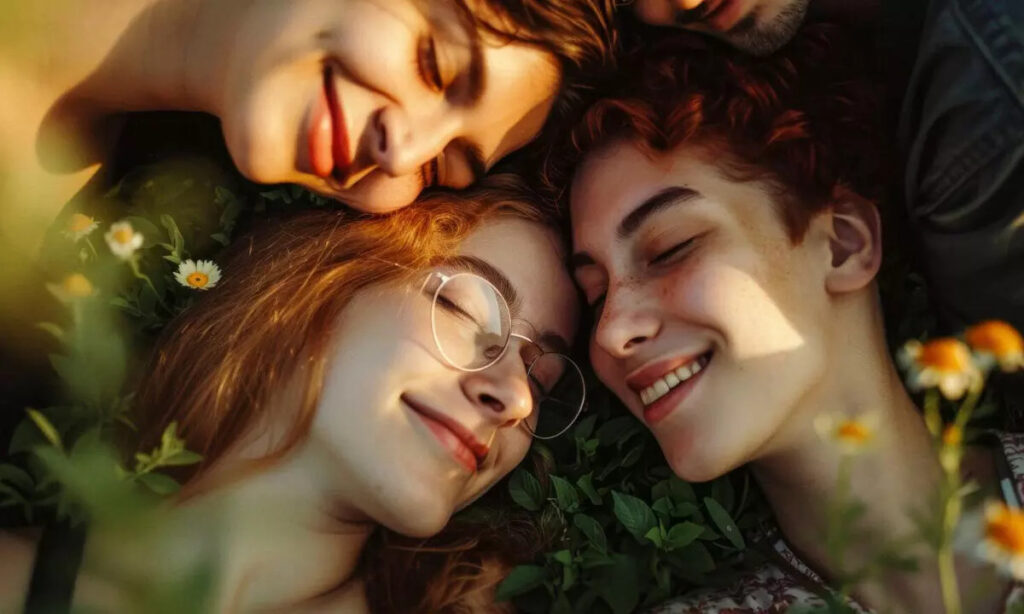
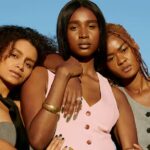
Today, beauty is increasingly understood as something personal. Different skin tones, body shapes, hair textures, ages, and facial features are being represented more visibly. This broader representation is helping challenge the idea that one particular appearance should be considered the universal standard.
Social Media Is Changing the Conversation
Social media has had a complicated relationship with beauty. Filters and editing tools can create unrealistic expectations, but social platforms have also given people an opportunity to challenge conventional standards.
Creators are sharing their natural skin, textured hair, unique features, and individual fashion choices with large audiences. Instead of waiting for traditional media to decide what is beautiful, people can now create their own communities and celebrate aesthetics that may previously have received less attention.
This has helped make beauty conversations more diverse and personal.
Natural Beauty Is Having a Moment
The growing interest in natural-looking beauty is another sign of changing attitudes. Minimal makeup, visible skin texture, natural brows, gray hair, and individual hair textures are increasingly being embraced rather than automatically hidden.
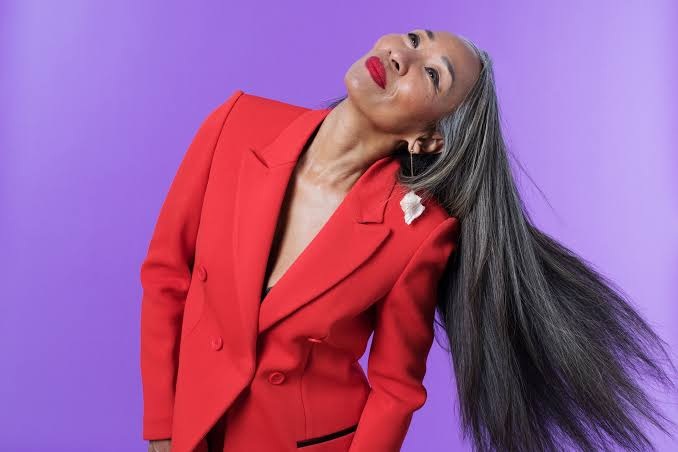
This does not mean makeup, skincare, or cosmetic treatments are becoming irrelevant. Instead, the focus is shifting toward choice. Wearing makeup because you enjoy it can coexist with choosing not to wear it. Both can be expressions of personal style.
Personal Style Over Following Every Trend
Individuality is also changing the way people approach fashion and beauty trends. Instead of copying an entire look from a celebrity or influencer, many people are taking inspiration from trends and adapting them to suit their personalities.
Someone might combine a classic hairstyle with modern jewellery, pair minimal makeup with a bold outfit, or mix vintage pieces with contemporary fashion. These combinations create a more personal aesthetic rather than following a single formula.
The result is a beauty routine and style that feels more authentic.
Representation Makes a Difference
Representation plays an important role in changing beauty standards. When people see individuals with different appearances represented in advertising, entertainment, fashion, and beauty campaigns, it can challenge assumptions about who gets to be considered beautiful.
Greater visibility does not eliminate traditional beauty ideals, but it creates room for more possibilities. Beauty can include a much wider range of appearances than previous generations were regularly shown.
Confidence Is Becoming Part of the Beauty Conversation
Individuality is not simply about physical appearance. It is also about confidence and how comfortably someone expresses themselves.
A hairstyle, lipstick shade, outfit, or accessory may look completely different from person to person because each individual brings their own personality to it. Confidence can make even a simple look feel distinctive.
This shift encourages people to ask, “What suits me?” rather than only asking, “What is considered beautiful right now?”
The Role of the Beauty Industry
The beauty industry is responding to changing consumer expectations by offering greater variety. Product ranges increasingly consider different skin tones, hair types, preferences, and lifestyles.
Brands are also placing more emphasis on personalization. From customized skincare routines to diverse makeup shades and products designed for different hair textures, the industry is gradually recognizing that consumers do not all want the same beauty experience.
Final Thoughts
Individuality is becoming an important part of modern beauty because people are increasingly recognizing that there is no single formula for looking attractive. Trends will continue to change, but personal expression can remain constant.
The new beauty standard may not be about achieving a particular look at all. It may simply be about feeling comfortable in your own appearance, choosing what makes you feel confident, and allowing your unique features and personality to take center stage.