
Inclusive & Diverse Fashion Movements: Redefining Style for Every Body, Culture, and Identity
Inclusive & Diverse Fashion Movements: Redefining Style for Every Body, Culture, and Identity
Fashion in 2026 is no longer defined by narrow beauty standards or one-size-fits-all narratives. Instead, the industry is embracing inclusion, representation, and authenticity like never before. Inclusive and diverse fashion movements are reshaping runways, campaigns, retail spaces, and social media — ensuring that style belongs to everyone.
This evolution is more than a trend. It’s a cultural shift.
Body Positivity and Size Inclusivity
For decades, fashion largely catered to limited body types. Today, size inclusivity is becoming an expectation rather than an exception. Brands are expanding sizing ranges, featuring diverse body shapes in campaigns, and challenging outdated standards.
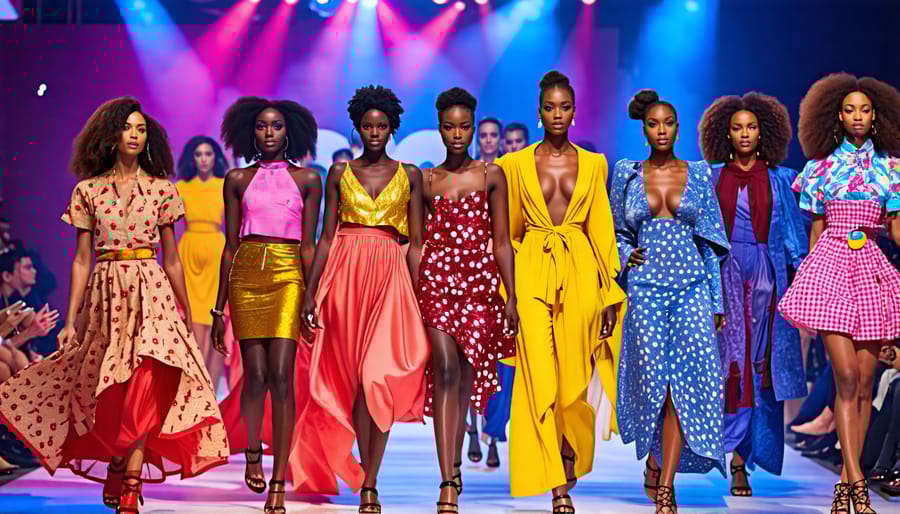
Movements championed by advocates and models have played a significant role. Figures like Ashley Graham helped normalize fuller figures on international runways and magazine covers, opening doors for broader representation.
Beyond marketing, true inclusivity involves designing garments thoughtfully for different body proportions — not simply scaling up or down. Tailoring, fit research, and diverse fit models are transforming how clothes are created.
When people see bodies like theirs represented, fashion becomes empowering instead of intimidating.
Gender-Fluid and Non-Binary Fashion
Traditional gender boundaries in clothing are dissolving. Designers and consumers alike are embracing gender-neutral silhouettes, fluid tailoring, and collections that prioritize expression over labels.
Luxury houses such as Gucci have showcased androgynous designs on runways, while many emerging brands create collections without separating “men’s” and “women’s” sections.
Public figures like Harry Styles have also influenced mainstream acceptance by confidently wearing garments traditionally associated with different genders.
The result? Fashion that celebrates individuality rather than conformity.
Cultural Representation and Respect
Another major focus of inclusive fashion is cultural acknowledgment and collaboration. Designers are increasingly highlighting traditional textiles, craftsmanship, and indigenous techniques — while ensuring credit and fair compensation to the communities behind them.
The rise of African designers at global events, South Asian bridal aesthetics influencing Western couture, and Indigenous artists collaborating with global brands reflect a broader shift toward cultural appreciation rather than appropriation.
Authentic storytelling matters. Consumers today want transparency about origins, artisanship, and cultural meaning.
Adaptive Fashion for Disabilities
Adaptive fashion is gaining long-overdue recognition. Clothing designed for individuals with physical disabilities — featuring magnetic closures, seated-friendly tailoring, sensory-sensitive fabrics, and prosthetic-friendly designs — is becoming more accessible.
Major retailers and designers now offer adaptive collections, moving beyond tokenism toward functional inclusivity. This approach ensures that style and independence are not limited by mobility or physical challenges.
Fashion becomes empowering when it removes barriers rather than creating them.
Age Inclusivity
The industry is also expanding its definition of who fashion is for. Older models are appearing in campaigns, and mature influencers are building significant followings by showcasing confident, sophisticated style.
Fashion no longer belongs solely to youth culture. The “Golden Gap Year” travel trend for those over 50 mirrors this broader cultural moment — celebrating life at every stage.
Age diversity reinforces the idea that personal style evolves but never expires.
Representation in Media and Runways
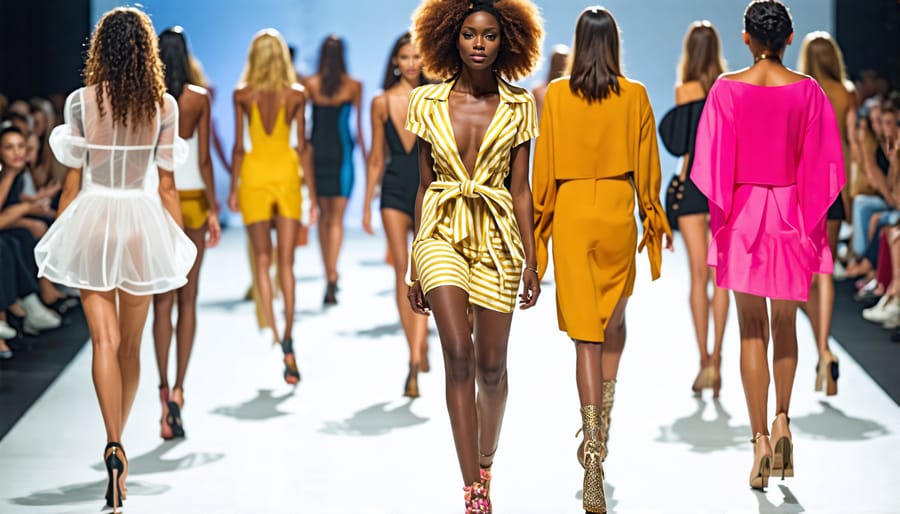
Major fashion weeks in cities like New York City and Paris now feature more racially diverse casts and body types than in previous decades. While progress is ongoing, visibility has increased dramatically.
Social media has accelerated this transformation. Independent creators challenge traditional gatekeepers, allowing diverse voices to build global audiences without relying solely on established fashion institutions.
Consumers are actively supporting brands that reflect their values — inclusion is no longer optional.
Sustainable Inclusivity
Inclusivity also intersects with sustainability. Ethical fashion movements emphasize fair wages, safe working conditions, and diverse representation throughout the supply chain.
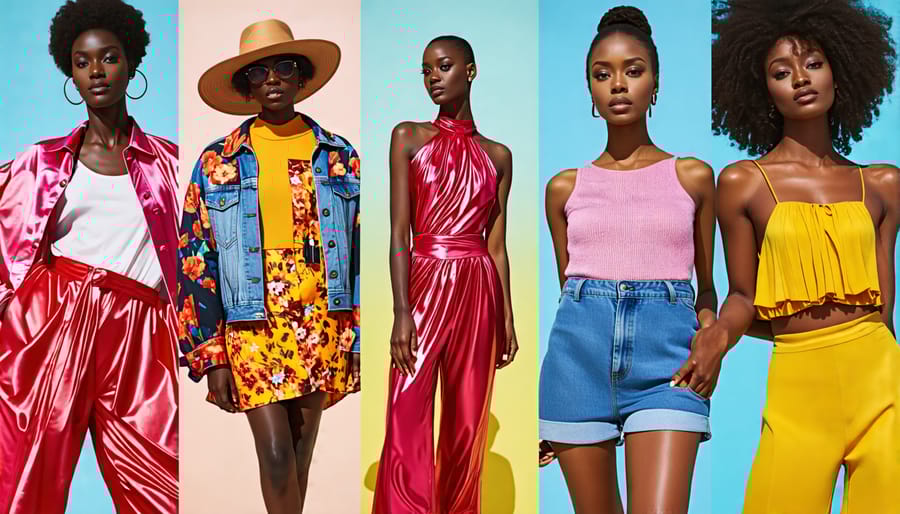
When inclusion extends behind the scenes — to garment workers, designers, and executives — the impact becomes systemic rather than symbolic.
True diversity requires structural change.
Why Inclusive Fashion Matters
Fashion shapes self-perception. When people feel represented, they feel seen. Inclusive fashion movements challenge stereotypes, celebrate differences, and create space for authentic expression.
They send a powerful message: style is not reserved for a specific size, gender, ethnicity, age, or ability. It belongs to everyone.
As the industry continues evolving, inclusion will remain not just a movement — but the foundation of modern fashion.