
The Modern Renaissance of Indian Fashion: Tradition Meets Contemporary Fluidity
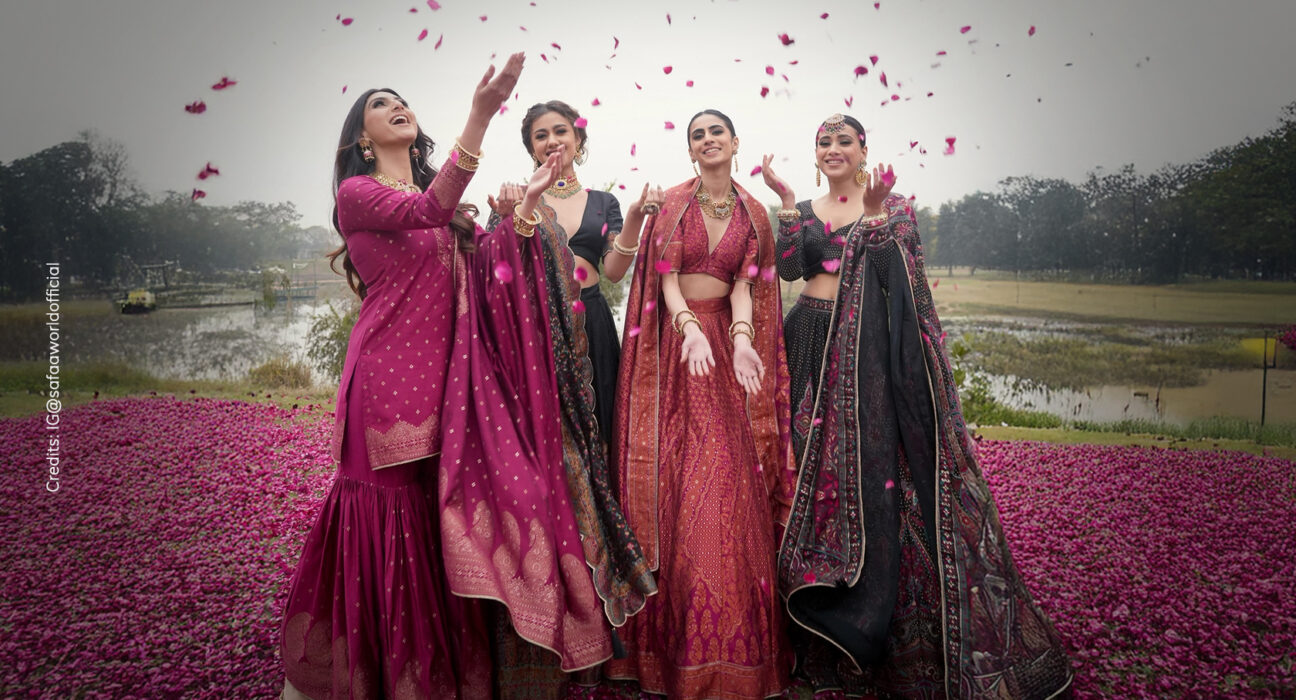
The global perspective on Indian fashion has often been limited to a static image: a heavily embroidered bridal lehenga or a strictly traditional sari reserved exclusively for formal heritage occasions. For decades, Western media viewed South Asian garments as beautiful but rigid cultural artifacts, slow to change and isolated from the fast-paced evolution of global streetwear and ready-to-wear design.
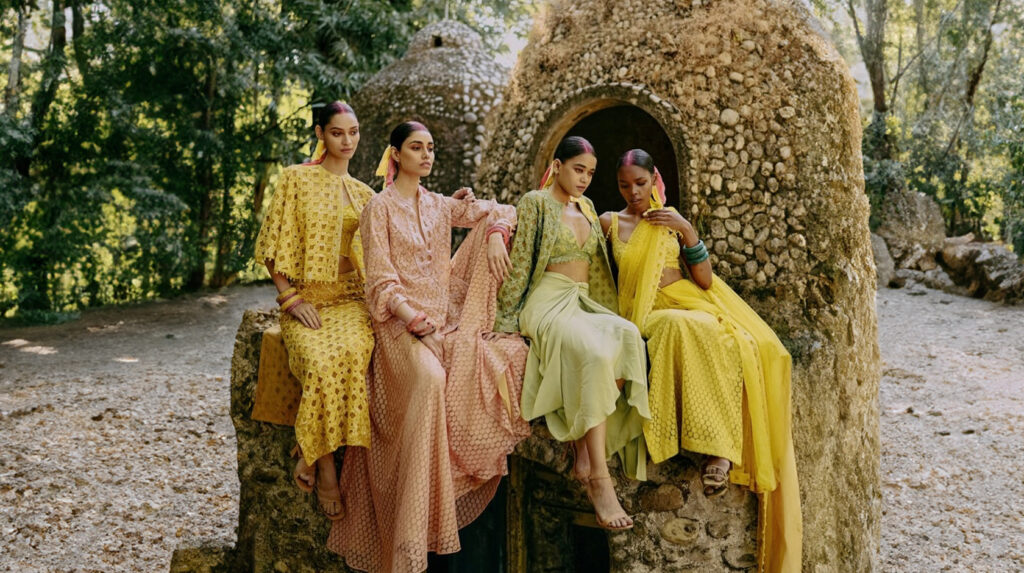
Today, the Indian fashion landscape is experiencing a massive, dynamic renaissance. A brilliant collective of contemporary designers, textile revivalists, and street-style labels are completely rewriting the rules. By taking centuries-old weaving techniques, regional block prints, and fluid silhouettes and merging them with modern, utilitarian aesthetics, they have created a global style paradigm. Indian fashion is no longer just about preserving history—it is about setting the pace for modern, expressive dressing. Here is how the modern closet is evolving.
1. The Architectural Saree: Deconstruction and Ease
The saree is arguably one of the most resilient and mathematically brilliant garments in human history—six yards of unstitched fabric that adapts entirely to the wearer’s body. However, the traditional process of draping, pleating, and securing a saree with safety pins has often felt intimidatingly complex to younger, fast-paced generations.
The contemporary update to the saree centers entirely on structural ease and subverting expectations:
- The Concept Saree: Modern designers have introduced pre-stitched, zipped, and belted sarees that can be put on in under sixty seconds. These designs retain the elegant, fluid sweep of the traditional pallu (the decorative loose end of the saree) but eliminate the friction of complex folding.
- Fabric Subversion: Move over heavy silks and stiff brocades. Today’s sarees are engineered using lightweight linen, organic cotton, structured denim, and fluid modal jersey.
- The Pivot in Pairing: The traditional tailored, matching blouse has been replaced by structured blazers, oversized button-down shirts, knitted crop tops, or sporty turtlenecks. Paired with clean leather sneakers instead of high heels, the saree has successfully transitioned from an occasional heirloom into a highly functional piece of urban daywear.
2. Indo-Western Fusion and the Rise of Luxury Loungewear
The modern Indian wardrobe excels at creating hybrid silhouettes that blend Eastern drapery with Western tailoring. This movement has given birth to a highly sophisticated category of luxury comfort wear that feels at home in both Mumbai and New York.
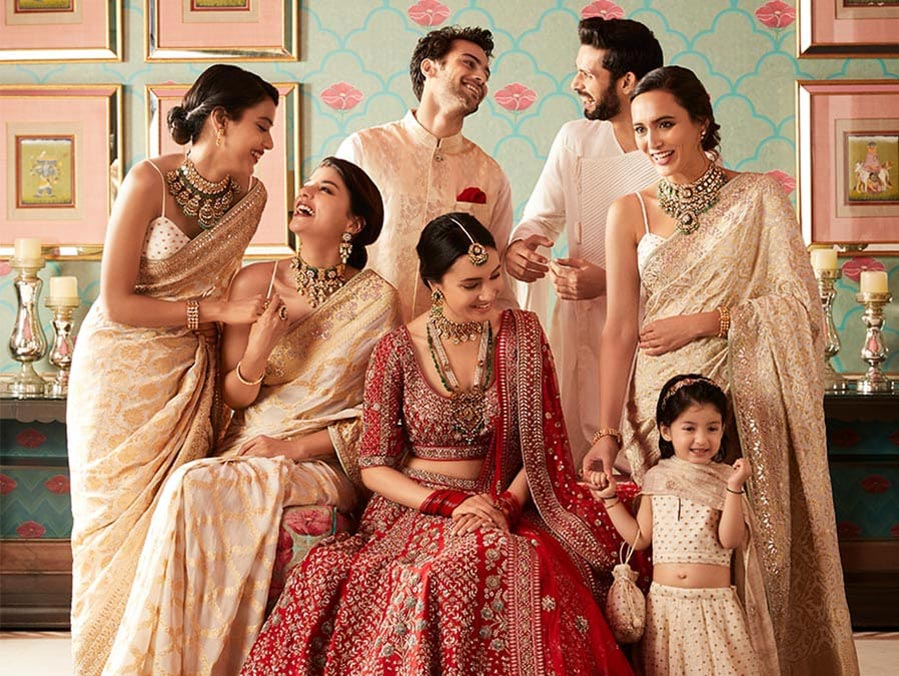
Instead of rigid salwar kameez sets, contemporary style champions fluid, wide-leg palazzo pants paired with long, asymmetric tunics (kurtas) made from hand-spun khadi cotton. Oversized capes and duster jackets adorned with delicate Kantha embroidery or vibrant Ajrakh block prints are worn over simple denim and white t-shirts, adding an instant layer of artistic texture to a casual look. These pieces focus heavily on breathability and movement, offering an elegant alternative to structured tailoring without sacrificing a polished presence.
3. Sustainable Luxury and the Revival of the Handloom
At a time when the global fashion conversation is desperately trying to figure out how to pivot away from synthetic, fast-fashion fast cycles, the Indian fashion industry has a massive natural advantage: a built-in, decentralized network of rural artisans and handloom weavers who have practiced sustainable production for generations.
Modern Indian labels are partnering directly with these artisan clusters to bring heritage fabrics into contemporary design. We are seeing a massive surge in the popularity of Jamdani cotton from West Bengal, Mashru silk from Gujarat, and Chanderi from Madhya Pradesh. Because these textiles are woven by hand using natural fibers and plant-based dyes, they possess a unique, irregular texture that machine-driven manufacturing can never replicate. Investing in these pieces isn’t just a style choice; it is a conscious commitment to preserving living human history and supporting ethical, low-impact fashion.
Final Thoughts: An Authentic Personal Canvas
Ultimately, modern Indian fashion is defined by its lack of rigid rules. It encourages the wearer to experiment, mix eras, and prioritize comfort alongside cultural pride. Whether you are styling an oversized block-print shirt with tailored trousers or wearing a structural pre-draped saree to a gallery opening, the goal is to celebrate substance, texture, and individual expression. Look at your wardrobe as a fluid canvas—embrace the rich history of Indian textiles, experiment with relaxed silhouettes, and step out in a look that feels completely timeless.