


Clothing: Dressing Beyond Fashion Calendars Season

Clothing: Dressing Beyond Fashion Calendars Season
For decades, fashion has followed a strict seasonal cycle—spring/summer collections replaced by fall/winter styles, encouraging constant wardrobe updates. Today, that model is quietly fading. Seasonless clothing is emerging as a powerful trend, offering a smarter, more flexible approach to dressing. Instead of chasing seasons, people are choosing clothes that work year-round, adapting effortlessly to changing weather, lifestyles, and personal needs.
Seasonless clothing is built on versatility. These are pieces designed to be worn in multiple ways, across different temperatures and occasions. Lightweight knits, breathable shirts, relaxed trousers, midi dresses, and layering-friendly jackets form the foundation of this approach. The focus is not on trends tied to a specific time of year, but on timeless designs that remain relevant no matter the season.
One reason seasonless clothing is gaining popularity is the shift in modern lifestyles. With remote work, flexible schedules, and frequent travel, people need wardrobes that move easily between environments. A well-cut shirt can work for a video meeting, a casual outing, or an evening dinner. Clothing that adapts to life—not the calendar—has become essential.
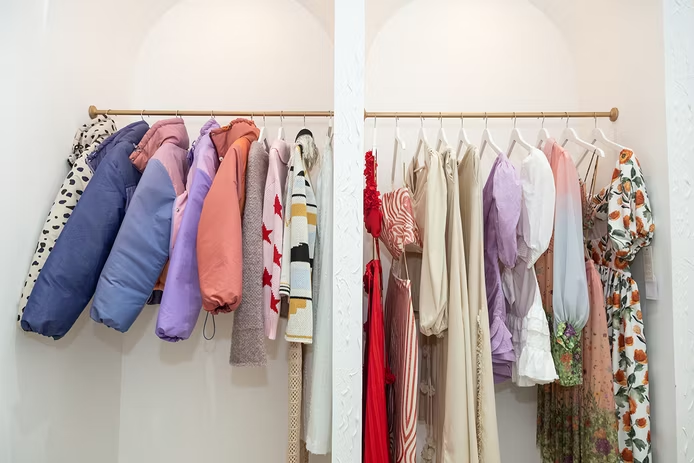
Layering plays a central role in seasonless dressing. Instead of owning separate wardrobes for hot and cold months, people are learning how to style layers effectively. A sleeveless dress can be worn alone in warm weather or paired with a cardigan, jacket, or scarf when temperatures drop. Lightweight outerwear replaces bulky coats, offering comfort and style without limiting wearability.
Fabric choice is another key element of seasonless clothing. Natural and blended fabrics that breathe well and regulate temperature are especially popular. Cotton, linen blends, modal, and soft wool allow garments to be worn comfortably in different climates. These materials make clothing feel adaptable, reducing the need to swap entire wardrobes throughout the year.
Neutral color palettes support the seasonless mindset. Shades like beige, black, white, grey, olive, and navy transcend seasonal trends and pair easily with one another. Muted tones create a cohesive wardrobe where pieces can be mixed and matched effortlessly. Subtle patterns and classic cuts further enhance longevity, ensuring garments stay stylish beyond a single season.
Seasonless clothing also aligns closely with sustainability. By investing in fewer, more versatile pieces, consumers reduce overconsumption and waste. Clothing worn throughout the year naturally has a longer lifespan, making it a more responsible choice. This shift encourages mindful purchasing, where quality, fit, and function matter more than rapid trend turnover.
Designers and brands are responding to this change by releasing trans-seasonal collections rather than strictly seasonal ones. These lines emphasize adaptable silhouettes and durable fabrics. Instead of pushing constant newness, brands are focusing on value and practicality, meeting the demand for clothing that feels thoughtful and enduring.
From a styling perspective, seasonless clothing encourages creativity. Accessories such as belts, shoes, and scarves can completely change the look of an outfit without replacing the core garment. This approach allows individuals to refresh their style while maintaining a consistent wardrobe base.
Another advantage of seasonless dressing is cost efficiency. When clothes are worn more frequently and across different settings, the cost per wear decreases significantly. This makes investing in higher-quality pieces more practical and rewarding. Rather than buying multiple trend-driven items, shoppers can focus on essentials that truly work for them.
Seasonless clothing represents a shift in how people view fashion. It prioritizes function, comfort, and individuality over rigid fashion rules. By dressing beyond fashion calendars, people regain control over their wardrobes, choosing what works for their lifestyle rather than what is dictated by seasons.
In a world that values flexibility and intention, seasonless clothing offers a refreshing alternative. It proves that style does not need to change every few months to stay relevant—it simply needs to adapt.