



How to Avoid Burnout in a Busy World: Practical Strategies for a Healthier, Happier Life
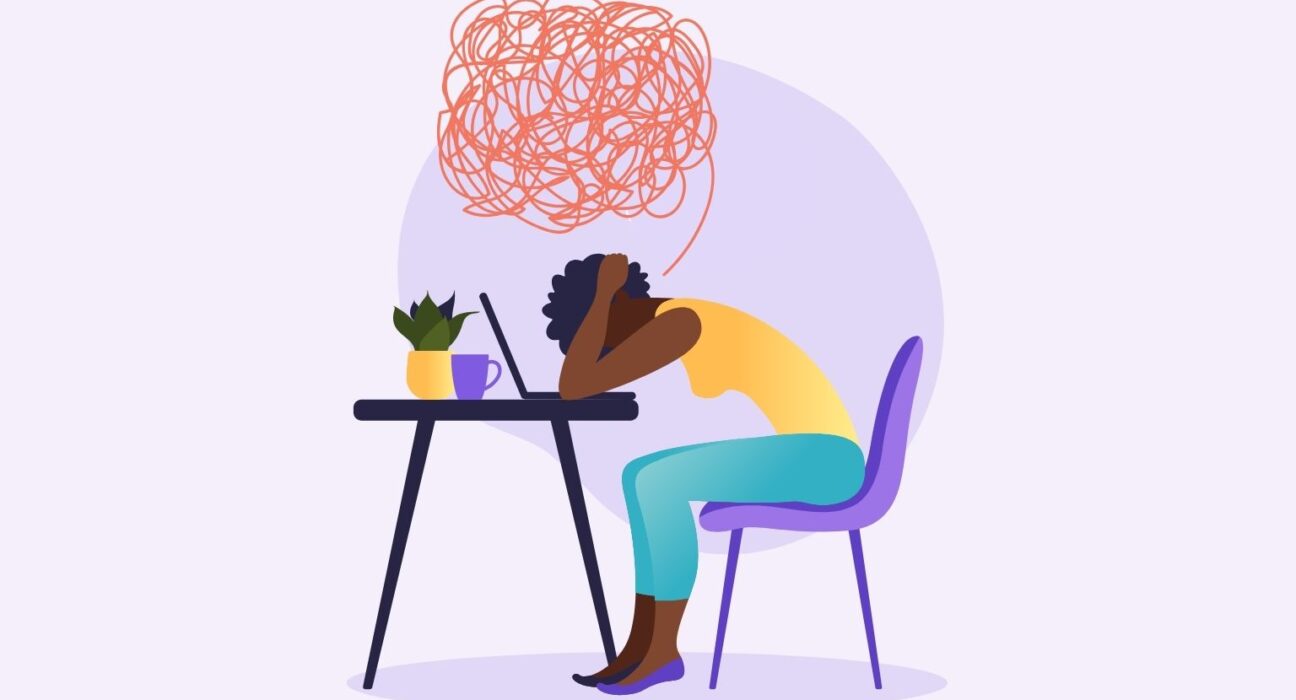
In today’s fast-paced world, staying busy has almost become a badge of honor. Packed schedules, endless notifications, work deadlines, and personal responsibilities often leave little room for rest. While being productive can be rewarding, constantly pushing yourself without taking breaks can lead to burnout—a state of physical, emotional, and mental exhaustion caused by prolonged stress.
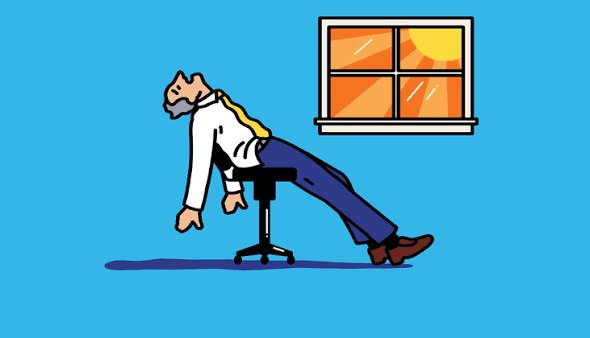
Burnout doesn’t happen overnight. It develops gradually, often making it difficult to recognize until it begins affecting your health, relationships, and overall quality of life. The good news is that burnout is not inevitable. By making intentional lifestyle changes, you can stay productive while protecting your well-being.
Recognize the Early Warning Signs
The first step in preventing burnout is learning to identify its warning signs. Constant fatigue, lack of motivation, difficulty concentrating, irritability, trouble sleeping, and feeling overwhelmed by even small tasks are common indicators.
Ignoring these symptoms can make recovery more difficult. Paying attention to how you feel allows you to take action before stress becomes unmanageable.
Set Healthy Boundaries
One of the biggest causes of burnout is the inability to disconnect from work or daily responsibilities. With smartphones and remote work, it’s easy to stay connected 24/7.
Establish clear boundaries by setting specific work hours and avoiding unnecessary emails or messages outside those times. Learning to say “no” to commitments that don’t align with your priorities is equally important. Protecting your time isn’t selfish—it’s essential for maintaining long-term productivity and mental well-being.
Prioritize Rest and Sleep
Many people sacrifice sleep to get more done, but this often has the opposite effect. Poor sleep reduces focus, creativity, and decision-making while increasing stress levels.
Aim for seven to nine hours of quality sleep each night. Create a relaxing bedtime routine by limiting screen time, avoiding caffeine late in the day, and keeping a consistent sleep schedule. Rest is not a luxury—it’s a necessity for both physical and mental health.
Take Regular Breaks
Working for hours without a break can reduce efficiency and increase mental fatigue.
Instead, schedule short breaks throughout your day. Stand up, stretch, take a walk, or simply step away from your workspace for a few minutes. These brief pauses help refresh your mind, improve concentration, and prevent feelings of overwhelm.
Remember, productivity isn’t about working longer—it’s about working smarter.
Make Time for Activities You Enjoy
Life shouldn’t revolve entirely around work and responsibilities. Hobbies and leisure activities provide an opportunity to recharge and reduce stress.
Whether it’s reading, painting, gardening, cooking, exercising, or spending time with loved ones, making space for activities you genuinely enjoy can improve your mood and create a healthier work-life balance.
Stay Physically Active
Regular exercise benefits more than just your physical health. It also helps reduce stress, boost energy, and improve mental clarity.
You don’t need intense workouts to experience these benefits. A daily walk, yoga session, cycling, or light strength training can all contribute to improved well-being. Find an activity you enjoy so it becomes a sustainable part of your routine.
Practice Mindfulness
Mindfulness encourages you to focus on the present rather than worrying about the future or dwelling on the past.

Simple practices like deep breathing, meditation, journaling, or spending time in nature can help calm your mind and reduce stress. Even five to ten minutes of mindfulness each day can make a noticeable difference in how you handle life’s challenges.
Stay Connected
Burnout often makes people withdraw from others, but maintaining strong relationships is essential during stressful times.
Talk to trusted friends, family members, or colleagues about how you’re feeling. Sharing your experiences can provide emotional support, fresh perspectives, and practical solutions. If stress becomes overwhelming or persistent, seeking help from a mental health professional is a positive and proactive step.
Final Thoughts
In a world that constantly encourages us to do more, avoiding burnout requires choosing balance over busyness. By recognizing the early signs of stress, setting healthy boundaries, prioritizing sleep, taking regular breaks, staying active, and making time for the people and activities that bring you joy, you can protect both your productivity and your well-being.
Success is not measured by how exhausted you are at the end of the day. True success comes from building a life where achievement and self-care go hand in hand. When you take care of your mind and body, you’re better equipped to handle challenges, pursue your goals, and enjoy the journey along the way.