



Small Lifestyle Changes That Can Help Reduce Waste

Reducing waste doesn’t always require major lifestyle changes or expensive eco-friendly products. Often, the smallest everyday habits can make a meaningful difference over time. From carrying reusable shopping bags to planning meals more carefully, simple actions can help reduce the amount of waste we produce while saving money and conserving natural resources.
Adopting a more sustainable lifestyle is about making thoughtful choices that fit naturally into your daily routine. Here are some practical ways to reduce waste without making life complicated.
1. Switch to Reusable Everyday Essentials
One of the easiest ways to reduce waste is to replace disposable products with reusable alternatives. Plastic bags, paper cups, disposable cutlery, and single-use water bottles can quickly accumulate in household waste.
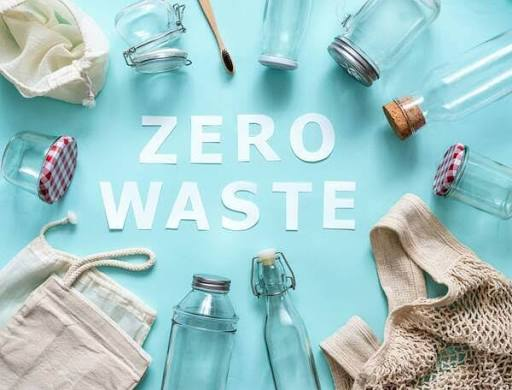
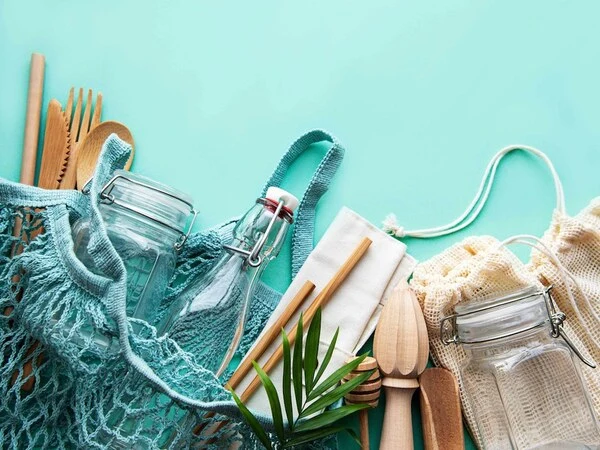
Consider carrying a reusable water bottle, keeping a cloth shopping bag in your backpack, and using a travel mug for takeaway drinks. You can also keep reusable containers handy for packing lunch or storing leftovers.
These small changes may seem insignificant individually, but using them consistently can reduce your reliance on disposable products.
2. Plan Meals to Minimize Food Waste
Food waste is a common household problem. Buying more groceries than necessary, forgetting ingredients in the refrigerator, and preparing excessive portions can lead to perfectly edible food being thrown away.
Planning meals before shopping can help prevent this. Check your refrigerator and pantry first, prepare a shopping list, and buy only what you realistically expect to use.
Store food correctly to extend its freshness, freeze suitable leftovers, and use ingredients approaching their expiry dates. You can also get creative with leftover vegetables by adding them to soups, sandwiches, or stir-fries.
Composting fruit and vegetable scraps is another useful option if you have access to a home composting system or community composting facility.
3. Choose Products With Less Packaging
Product packaging contributes significantly to household waste. Whenever possible, choose products with minimal packaging or packaging that can be recycled locally.
For example, you might buy loose fruits and vegetables instead of individually wrapped produce or select refillable cleaning products. Purchasing larger quantities can sometimes reduce packaging per unit, provided you can use the products before they expire.
Avoid buying something simply because its packaging looks attractive. Instead, consider the product’s usefulness, durability, and disposal requirements before making a purchase.
4. Repair, Reuse, and Repurpose Items
Before throwing something away, ask yourself whether it can be repaired, reused, or repurposed.
A damaged shirt might become a cleaning cloth, glass jars can be used to organize pantry ingredients, and old containers may be useful for storing small household items. Simple repairs can also extend the life of shoes, bags, furniture, and electronics.
If you no longer need something that remains in good condition, consider donating it, selling it second-hand, or passing it on to someone who can use it.
Extending the life of existing products reduces the need to purchase replacements and helps keep usable items out of landfills.
5. Make Your Shopping Habits More Thoughtful
Impulse purchases often result in unnecessary clutter and waste. Before buying something, consider whether you genuinely need it and how frequently you will use it.
Choose durable products over disposable alternatives, explore second-hand options, and avoid purchasing items solely because they are trending. When shopping for clothing, focus on versatile pieces that work with your existing wardrobe.
A simple rule is to pause before every non-essential purchase. Giving yourself time to think can help you avoid buying things that may eventually go unused.
6. Reduce Paper and Energy Waste
Digital alternatives can help reduce paper consumption. Use digital receipts when available, unsubscribe from unwanted promotional mail, and print documents only when necessary.
You can also reduce household resource waste by switching off lights when leaving a room, unplugging devices that are not needed, and using energy-efficient appliances where practical.
Although saving energy does not directly eliminate household rubbish, it helps conserve resources and supports a more sustainable lifestyle.
Final Thoughts
Reducing waste begins with small, consistent decisions. Carrying reusable items, planning meals, repairing belongings, and shopping thoughtfully are practical habits that can gradually become part of everyday life.
You don’t need to change everything overnight. Start with one or two habits, build consistency, and introduce more changes as they become comfortable. Every thoughtful choice can contribute to a cleaner environment and a less wasteful way of living.