

The New Age Groom: How 2026 Is Redefining Men’s Wedding Fashion
The New Age Groom: How 2026 Is Redefining Men’s Wedding Fashion
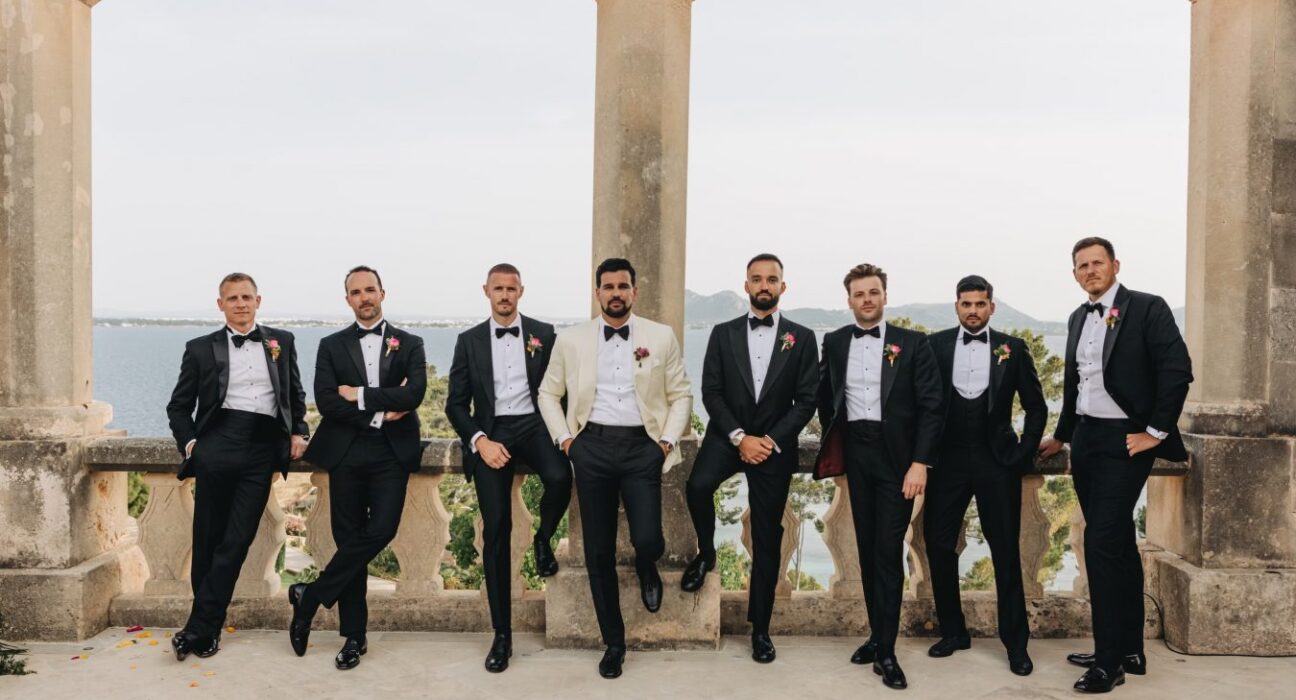
Wedding fashion is no longer just about the bride. In 2026, groom style is stepping confidently into the spotlight, shedding old rules and embracing individuality, experimentation, and bold design. From unconventional silhouettes to expressive colors and personalized details, modern grooms are redefining what it means to dress for the big day. Tradition still has its place—but it now shares the stage with creativity and self-expression.
Moving Beyond the Classic Black Suit
For decades, the black tuxedo or neutral sherwani was the safe default for grooms. In 2026, however, grooms are choosing pieces that reflect their personality rather than sticking to convention. Tailoring remains important, but the focus has shifted toward modern cuts, layered styling, and unexpected fabric choices.
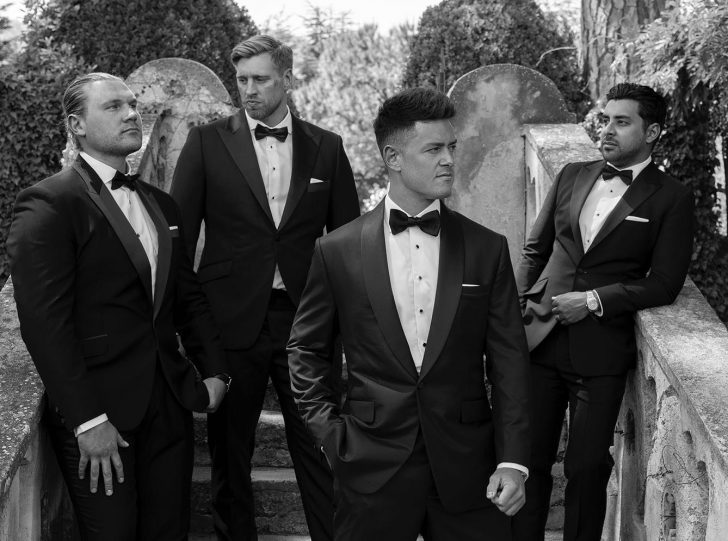
Structured jackets with relaxed trousers, asymmetrical drapes, and fusion silhouettes are gaining popularity. Grooms are increasingly open to experimenting with shorter jackets, open collars, and statement lapels, creating looks that feel both contemporary and celebratory.
Color Takes Center Stage
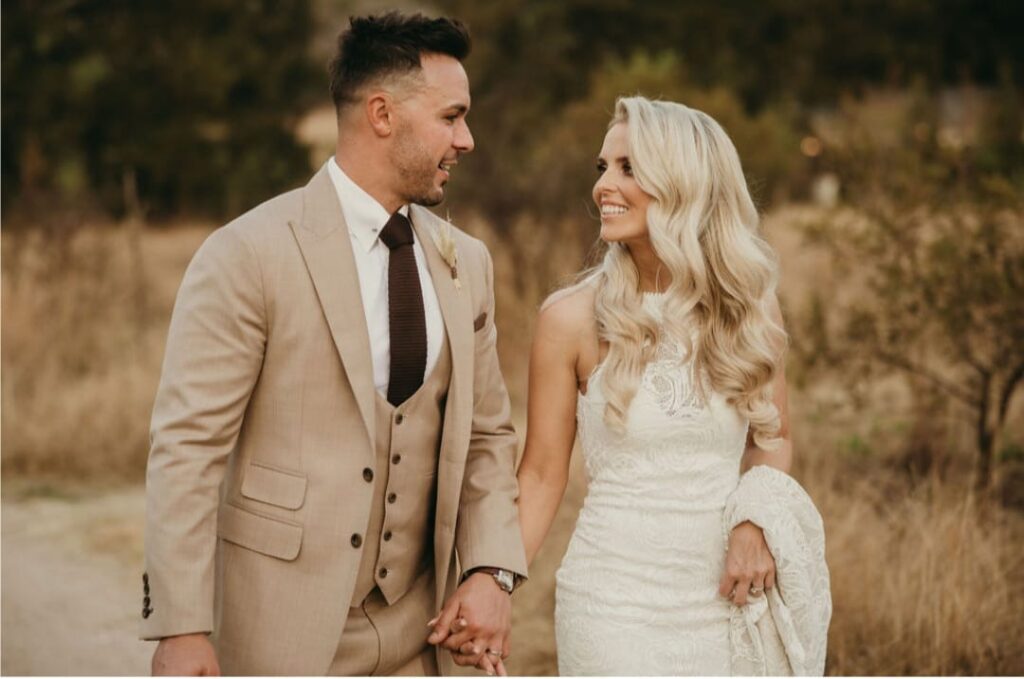
One of the biggest shifts in groom fashion for 2026 is the confident use of color. While ivory, beige, and navy remain popular, bold hues like emerald green, deep wine, royal blue, and even muted pastels are making strong appearances. These colors photograph beautifully and add depth to wedding aesthetics.
Monochrome dressing is also trending, with grooms styling outfits in a single color family from head to toe. This creates a sleek, fashion-forward look that feels intentional and elevated rather than overpowering.
Texture, Craft, and Statement Fabrics
Fabric choice is becoming just as important as color. Grooms are opting for rich textures such as velvet, jacquard, silk blends, and handcrafted textiles that add visual interest. Subtle embroidery, tonal patterns, and artisanal detailing are replacing heavy embellishment, making outfits look refined yet distinctive.
Sustainable and ethically sourced fabrics are also influencing choices. Many grooms now prioritize quality and longevity, selecting pieces they can rewear or repurpose after the wedding rather than one-time outfits.
Fusion Wear and Cultural Reinterpretation
In 2026, groom fashion is embracing fusion like never before. Traditional elements are being reimagined with modern tailoring—think classic kurtas paired with structured jackets, or Western suits styled with heritage accessories. This blending of cultures reflects a global mindset and allows grooms to honor their roots while embracing contemporary style.
Accessories play a key role here. Statement brooches, layered necklaces, embroidered footwear, and modern turbans or stoles elevate outfits without overwhelming them. Personal symbolism is becoming more important than rigid tradition.
Comfort Is No Longer Optional
Modern grooms expect to move, dance, and celebrate comfortably—and designers are responding. Breathable fabrics, lighter constructions, and flexible tailoring are essential in 2026. Outfits are designed to transition smoothly from ceremonies to receptions without requiring a complete change.
Footwear, too, has evolved. Instead of stiff formal shoes, grooms are choosing stylish loafers, embroidered slip-ons, or minimalist boots that combine comfort with elegance.
Personalization Over Prescription
Perhaps the most defining trend of groom fashion in 2026 is personalization. Grooms are no longer dressing to meet expectations—they are dressing to tell a story. Custom tailoring, meaningful embroidery, personalized color palettes, and heirloom-inspired details are becoming central to wedding looks.
Some grooms incorporate subtle nods to their partner, culture, or shared journey through color accents or design elements. This emotional connection adds depth to the outfit, making it memorable beyond aesthetics.
Breaking Gender and Style Norms
2026 also marks a shift toward more fluid interpretations of groom fashion. Jewelry, layered accessories, softer silhouettes, and expressive styling are no longer confined by traditional gender rules. Grooms feel free to experiment with what makes them feel confident and authentic.
This openness reflects broader cultural changes, where fashion is seen as a form of self-expression rather than a fixed set of rules.
Final Thoughts
Groom fashion in 2026 is bold, thoughtful, and unapologetically personal. While tradition still offers inspiration, it no longer dictates the final look. Today’s groom embraces color, comfort, craftsmanship, and individuality—creating wedding styles that feel modern, meaningful, and unforgettable. As weddings become more expressive and inclusive, groom fashion is finally claiming its place as a powerful statement of identity and style.