
The Return of the Archive: Why Fashion is Digging Up Its Recent Past
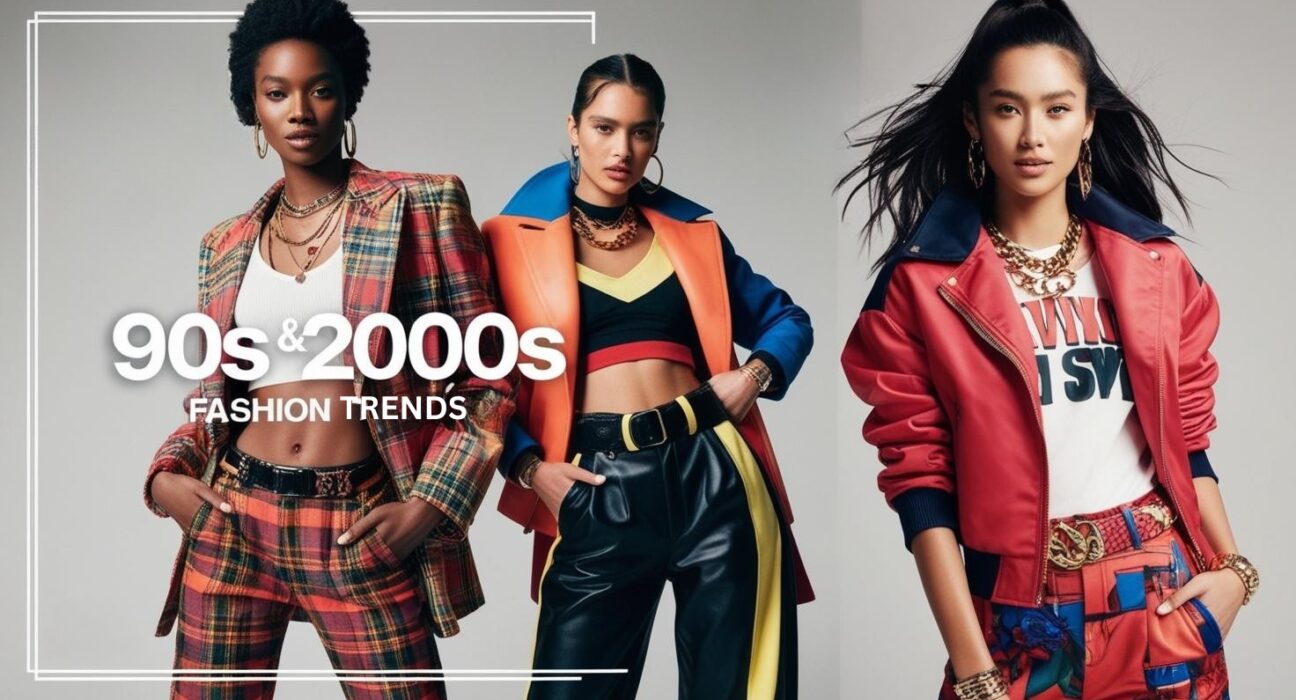
If you have stepped into a retail store or scrolled through a fashion feed recently, you might have experienced a distinct sense of déjà vu. Minimalist nylon backpacks, structural leather jackets, bold graphic tracksuits, and low-rise denim are dominating the shelves. Rather than merely creating new pieces inspired by the past, major clothing brands are doing something much more direct: they are opening up their literal historical vaults, dusting off the original design blueprints from the 1990s and early 2000s, and re-releasing them as official “Archive Collections.”
This massive wave of vault re-releases represents a major shift in how the fashion industry operates. It is no longer just a standard twenty-year trend cycle repeating itself. Instead, the return of the archive is a calculated response to changing consumer values, the exploding secondary market, and a collective cultural craving for authenticity. Here is why the world’s biggest clothing labels are looking backward to move forward.
1. The Fight for Authenticity in a Fast-Fashion World
We are currently living in an era of unprecedented manufacturing speed. Fast-fashion platforms can replicate a runway design, manufacture it using cheap synthetic materials, and have it listed online for purchase in less than two weeks. This hyper-acceleration has had an unintended side effect: it has completely fatigued the modern consumer.
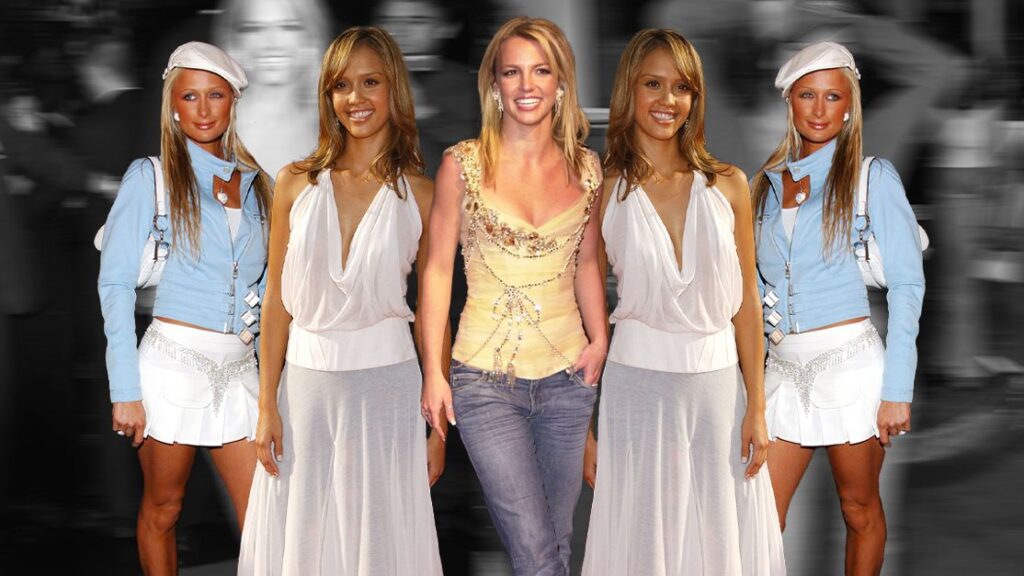
When clothing feels disposable, shoppers begin to crave the exact opposite—items with history, structural integrity, and a sense of place. By re-releasing vault designs from the late 90s and Y2K eras, heritage brands are flexing their greatest competitive advantage over fast-fashion disruptors: a real history. An online fast-fashion label cannot replicate a windbreaker originally engineered for the 1996 alpine slopes or a minimalist boot worn on a 1998 runway. Re-issuing these pieces allows heritage brands to offer products that carry built-in substance, cultural weight, and a proven track record of design excellence.
2. Capitalizing on the Exploding Pre-Loved Market
The secondary fashion market has transformed from a niche subculture of vintage collectors into a multi-billion-dollar global industry. Modern consumers routinely spend hours hunting through digital resale platforms to find original, decades-old pieces from iconic eras.
For a long time, fashion brands watched this massive secondary market boom from the sidelines, earning zero revenue from the peer-to-peer resale of their own vintage items. Re-releasing archive designs is a brilliant way for brands to reclaim their narrative—and their profits. If a 1995 denim jacket design is retailing for astronomical prices on secondhand marketplaces, it signals a massive, pre-verified demand. By recreating that exact item with modern production standards, the brand can capture that revenue directly while giving consumers a pristine, unworn alternative to a stained vintage find.
3. The Multi-Generational Nostalgia Loop
The target demographic for these archive collections is incredibly unique because it captures two completely distinct generations of shoppers simultaneously, driven by two very different types of nostalgia.
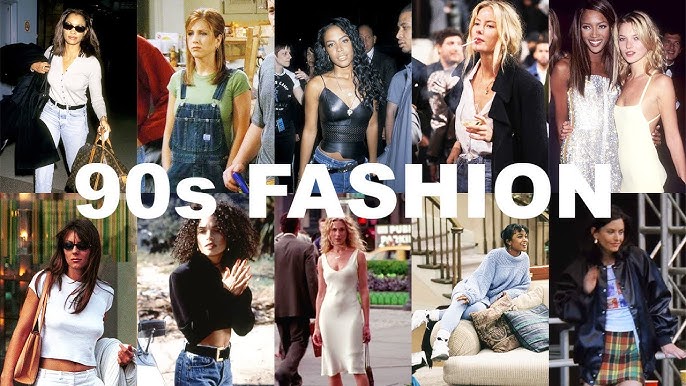
On one side, you have older Millennials who are driven by true, lived nostalgia. They are purchasing the exact sneakers, jackets, and accessories they desperately wanted during their teenage years but couldn’t afford. Buying an archive piece today is a way to reconnect with their youth. On the other side, Gen Z consumers are driven by “anemoia”—a deep nostalgia for a time period they never actually experienced firsthand. To a young shopper raised entirely in a digital world, the late 1990s and early 2000s represent a fascinating, golden analog era just before smartphones and social media took over. Wearing an archive piece from that era is a tangible way to connect with a simpler, highly distinct cultural aesthetic.
Final Thoughts: A Blueprint for Longevity
The return of the archive proves that great design is inherently timeless. When clothing brands re-release vault pieces, they aren’t admitting to a lack of new ideas; they are celebrating their design legacy. In a world that constantly demands the next new thing, choosing to honor the pieces that defined our past is a powerful statement. It reminds us that real style isn’t about chasing temporary, weekly trends—it is about investing in pieces that are built to survive the test of time, time and time again.