
Digital Fashion and Virtual Wardrobes: Are They the Next Big Thing?
Fashion has always evolved alongside technology, from online shopping to virtual fitting rooms. Now, digital fashion and virtual wardrobes are introducing a new way to explore personal style. Instead of buying and wearing every outfit physically, consumers can experiment with digital clothing, create virtual looks, and organise their wardrobes using technology. As fashion brands explore virtual experiences and consumers embrace digital lifestyles, could virtual wardrobes become the next major fashion trend?
What Is Digital Fashion?
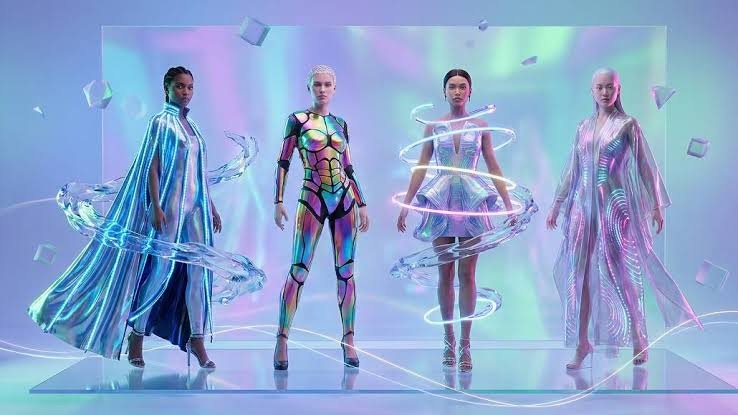
Digital fashion refers to clothing, accessories, and outfits created using digital design tools rather than traditional fabrics. These virtual garments can be worn by digital avatars, used in gaming environments, or added to photographs and social media content.
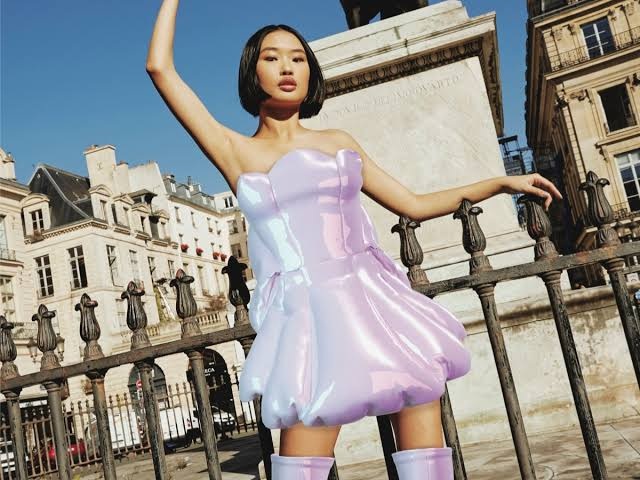
From virtual sneakers to elaborate digital dresses, these creations allow designers to experiment with colours, shapes, textures, and materials that may be difficult or expensive to produce physically.
Digital fashion also gives consumers an opportunity to explore creative styles without needing to purchase or store physical garments.
The Rise of Virtual Wardrobes
A virtual wardrobe is a digital collection of clothing and accessories that users can organise, style, and explore through an app or online platform.
Some virtual wardrobe tools allow users to upload photographs of their existing clothes and create digital versions of their outfits. This can make it easier to plan what to wear, discover new combinations, and keep track of items they already own.
Imagine having your entire wardrobe available on your smartphone. Instead of searching through your closet every morning, you could browse outfit combinations digitally and plan your look in advance.
Experiment With Style Without Limits
One of the most exciting aspects of digital fashion is the freedom to experiment. Virtual clothing allows users to explore unusual silhouettes, bold colours, and imaginative designs without worrying about physical fit or fabric limitations.
For fashion enthusiasts, this creates new opportunities to express individuality. Digital outfits can also be useful for people who enjoy creating content, styling avatars, or experimenting with fashion in gaming and virtual environments.
As digital tools become more accessible, consumers may find new ways to combine virtual creativity with their everyday personal style.
How Technology Is Changing Fashion Shopping
Technology is also changing how people discover and shop for clothes. Virtual fitting rooms and augmented reality tools can help shoppers preview how certain garments or accessories might look before making a purchase.
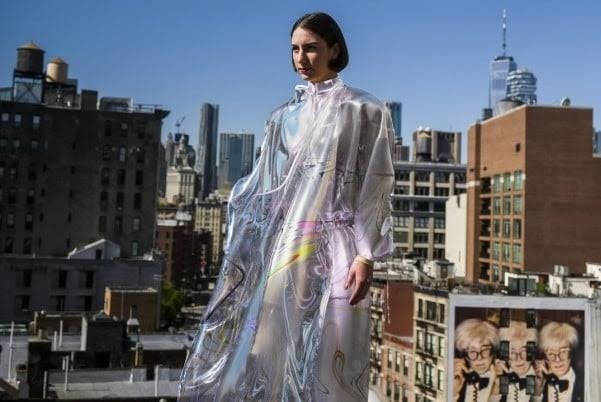
Although virtual try-ons cannot perfectly reproduce the feel, fit, or movement of physical clothing, they can offer additional information during the shopping process.
Some digital wardrobe platforms also help users organise clothing they already own, potentially making it easier to plan outfits and make more thoughtful purchasing decisions.
Could Digital Fashion Support Sustainability?
Digital fashion has the potential to reduce the need for physical samples in some design and marketing processes. Designers can create and review virtual garments before deciding which pieces to manufacture.
Virtual wardrobes may also encourage users to make better use of their existing clothes by helping them discover combinations they hadn’t considered.
However, digital fashion isn’t automatically sustainable. Digital infrastructure consumes energy, and virtual clothing does not replace the need for physical garments in everyday life. Its environmental benefits depend on how the technology is developed and used.
Challenges Facing Digital Fashion
Despite its potential, digital fashion still faces several challenges. Some consumers may find virtual clothing difficult to relate to because they value the physical experience of wearing and touching garments.
There are also questions around accessibility, digital ownership, platform compatibility, and whether people will be willing to pay for virtual outfits.
For virtual wardrobes to become widely adopted, they need to offer practical benefits, intuitive designs, and experiences that fit naturally into people’s daily routines.
What Does the Future Hold?
Digital fashion may not replace traditional clothing, but it could become an additional part of the fashion experience. Virtual styling, digital avatars, augmented reality, and online shopping tools are creating new opportunities for brands and consumers alike.
As these technologies improve, virtual wardrobes could become useful tools for planning outfits, exploring personal style, and interacting with fashion in digital spaces.
Final Thoughts
Digital fashion and virtual wardrobes are changing how people think about clothing, creativity, and personal style. They offer new ways to experiment with fashion, organise outfits, and explore digital experiences without relying entirely on physical garments.
Whether they become mainstream will depend on how useful and accessible they become. For now, digital fashion represents an exciting development that brings technology and creativity together while opening up new possibilities for the future of style.