How Beauty Standards Have Changed Over the Years
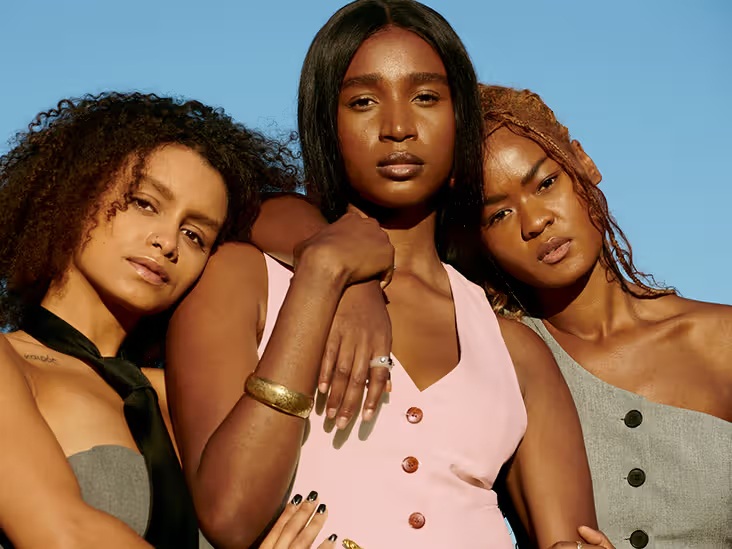
Beauty has never had one permanent definition. What society considers attractive has changed dramatically across generations, influenced by fashion, culture, media, celebrities, technology, and social movements. From the glamorous styles of past decades to today’s growing appreciation for individuality, beauty standards continue to evolve.
Understanding this journey shows that many of the features once considered the “ideal” look are simply reflections of a particular time and culture.
Beauty Standards in the Early 20th Century
In the early 1900s, beauty ideals were often influenced by social class, fashion, and traditional femininity. Pale complexions, carefully styled hair, and elegant clothing were associated with sophistication in many Western societies.
As photography and cinema became more popular, public figures began influencing beauty trends. Makeup, hairstyles, and clothing styles became increasingly important ways for women to express themselves.
The Glamour of the 1940s and 1950s
The 1940s and 1950s brought a strong emphasis on polished, feminine glamour. Defined eyebrows, red lips, carefully styled curls, and an hourglass silhouette became popular ideals.
Hollywood played a major role in shaping these preferences. Movie stars became style icons, and their makeup, hairstyles, and clothing influenced audiences around the world.
However, these standards were far from universal. Beauty ideals varied across cultures and communities, even when mainstream media promoted a particular image.
The Changing Ideals of the 1960s and 1970s
The 1960s introduced a very different aesthetic. Youthful appearances, dramatic eye makeup, straight hairstyles, and slimmer silhouettes became fashionable. The decade also saw young people increasingly challenge traditional ideas about fashion and self-expression.
During the 1970s, beauty became more diverse in style. Natural hair, relaxed clothing, bronzed skin, and a less structured approach to makeup gained popularity. Individual expression became increasingly important.
The 1980s and 1990s
The 1980s celebrated boldness. Big hairstyles, colorful makeup, strong silhouettes, and an athletic appearance were associated with confidence and glamour.
The 1990s moved toward a more understated aesthetic in many mainstream fashion circles. Minimal makeup, thinner brows, straight hair, and slimmer body ideals became prominent. Supermodels and fashion magazines had enormous influence over how beauty was represented.
The Rise of Social Media
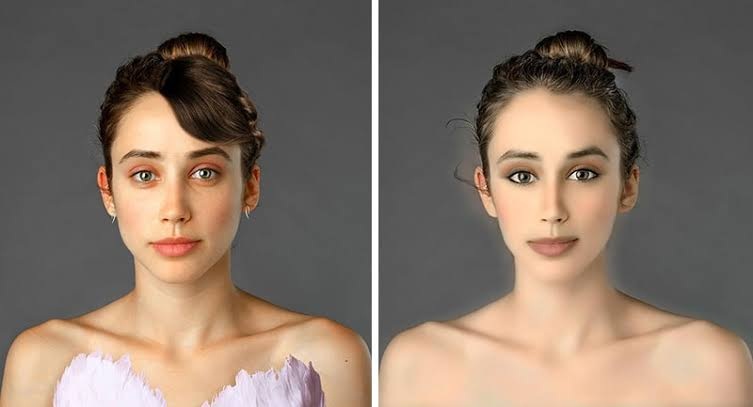
The internet and social media fundamentally changed beauty culture. Instead of beauty trends being shaped primarily by magazines, television, and celebrities, platforms such as Instagram and YouTube allowed influencers and everyday creators to participate in shaping trends.
Contouring, highly defined brows, elaborate makeup, and carefully curated photographs became popular. At the same time, editing tools and beauty filters created new expectations around flawless skin and facial features.
This made beauty more accessible but also created new pressures to look perfect.
Beauty Is Becoming More Individual
Today, beauty standards are becoming more diverse. Different skin tones, body types, hair textures, ages, and facial features are increasingly represented in fashion and beauty campaigns.
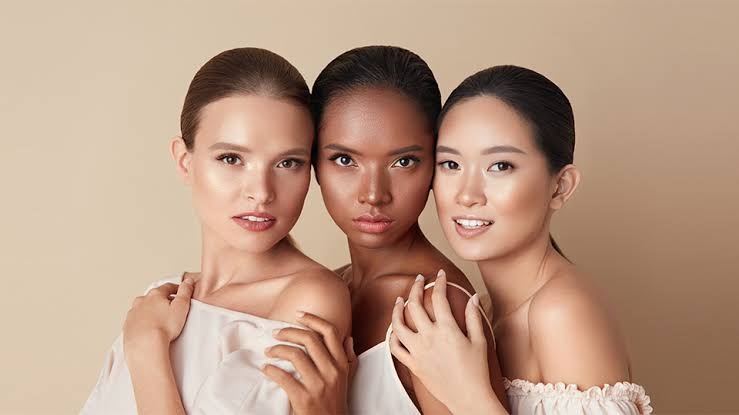
There is also growing interest in natural-looking skin, textured hair, minimal makeup, and personal style. Instead of following one universal aesthetic, many people are choosing elements from different trends to create looks that feel authentic to them.
Social media has also made it easier for niche communities to celebrate beauty characteristics that may have been overlooked by traditional media.
What the Future of Beauty May Look Like
Beauty standards will likely continue changing as society becomes more connected and representation expands. The growing focus on individuality suggests that future beauty trends may be less about achieving one specific appearance and more about expressing personality.
Technology will continue to influence beauty through virtual try-ons, AI-generated imagery, filters, and personalized products. The challenge will be maintaining a healthy distinction between inspiration and unrealistic expectations.
Final Thoughts
The history of beauty standards reminds us that the idea of the “perfect” appearance is constantly changing. What was considered fashionable or desirable decades ago may look completely different today.
Rather than chasing every new ideal, beauty can be approached as a form of personal expression. Trends can be fun to explore, but confidence, individuality, and comfort ultimately create a style that remains meaningful long after a particular beauty trend has passed.