

The ‘Lifer’ Movement: Quality is the New Cool.
The ‘Lifer’ Movement: Quality is the New Cool.
For the better part of a decade, the fashion industry has been addicted to the “haul.” We’ve all seen the videos: massive plastic bags filled with fifteen-dollar polyester dresses destined to fall apart after three washes or, worse, sit in a landfill before the season even ends. But if you’ve been paying attention to the streets of London, New York, or Mumbai lately, the vibe is shifting. The frantic rush of fast fashion is being replaced by a much cooler, much quieter movement: The Heirloom Ethic.
Watching the “Great Decoupling” of consumerism, I find the irony delicious. The generation that grew up with the fastest internet is the one finally slowing down the treadmill. They aren’t just buying clothes anymore; they are recruiting “Lifers”—garments designed to outlive the person wearing them.
The Hangover of the ‘Ultra-Fast’ Era
To understand the “Lifer” wardrobe, you first have to understand the collective hangover of the 2020s. We reached a point of “peak junk.” When a shirt costs less than a latte, we stop respecting the labor, the fabric, and the environment that produced it.
Gen Z has seen the satellite images of the Atacama Desert overflowing with discarded textiles, and they’ve had enough. This isn’t just about “being green” in a vague, corporate-responsibility way. It’s about Sartorial Stewardship. It’s the realization that owning three perfect, high-quality items is infinitely more “luxurious” than owning thirty pieces of itchy, ill-fitting plastic.
What Makes a ‘Lifer’?
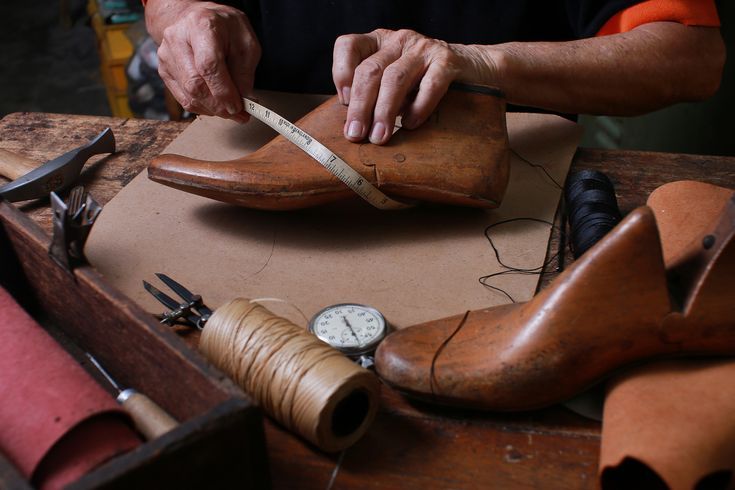
A “Lifer” isn’t defined by a price tag, but by its Mechanical Integrity. We’re talking about heavyweight Japanese selvedge denim, Goodyear-welted leather boots, and Grade-A Merino wool. These are materials that don’t just “last”—they evolve.
The Heirloom Ethic is rooted in the “Patina” factor. A cheap synthetic jacket looks its best on the day you buy it and gets progressively worse with every wear. A “Lifer” jacket, however, starts stiff and characterless, only to mold to your body over years of use. It gains value through history. In 2026, the coolest thing you can wear isn’t the latest drop; it’s a coat that looks like it has survived a decade because it actually has.
The Rise of ‘Wardrobe Archeology’
This shift has birthed a new kind of shopping behavior: Wardrobe Archeology. Platforms like Depop and Vestiaire Collective have evolved from mere resale sites into archives of quality. Younger consumers are increasingly looking for “Vintage 2010s” or even “Late 90s” pieces because the construction standards of that era often eclipse today’s mass-market output.
They are looking for the “Trade-offs.” They are willing to spend $300 on a single pair of boots if they know those boots can be resoled indefinitely. This is Logic-Based Fashion. It’s an investment strategy where the ROI is measured in “Cost Per Wear” (CPW). If you wear a $300 boot for ten years, it costs you 8 cents a day. That is the ultimate economic and environmental win.
The Human Element: Radical Mending
The most human part of this movement? The return of the tailor and the needle. We’re seeing a surge in “Visible Mending”—where a tear in a beloved sweater isn’t a reason to throw it away, but an opportunity to add a decorative patch or a sashiko stitch.
This is where the “Heirloom” part comes in. A garment with a visible mend tells a story. It says, “I value this. I cared for this.” In a world of digital perfection and AI-generated imagery, that raw, physical connection to our belongings feels like a radical act of rebellion.
The Bottom Line
The Heirloom Ethic is more than a trend; it’s a psychological reset. It’s about moving from being a “consumer” to being a “custodian.” As we look at the rest of 2026, the brands that will win aren’t the ones making the most noise, but the ones making the most durable promises.
Are you ready to commit to a ‘Lifer’ wardrobe, or is the allure of the ‘new’ still too strong to ignore? Let’s talk about that one item in your closet you’ll never get rid of in the comments—I want to hear the story behind it.